TIRANA, Sept. 1 /ATA/ – Albania’s journalists’ associations are challenging new rules at the Special Court for Corruption and Organised Crime (GJKKO), which take effect on Tuesday and impose restrictions on media access, including a ban on journalists using mobile phones and recording devices inside the courtroom.
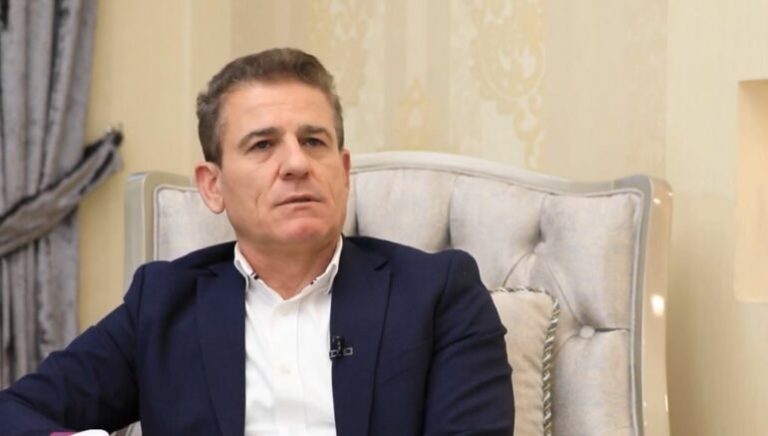
Aleksandër Çipa, head of the Albanian Journalists’ Union, called on GJKKO President Erion Bani to reconsider the rules and take into account proposals from the media community.
“We are determined to overturn this. This is a regulation, not a law, and regulations can be reconsidered when they contain such serious shortcomings,” Çipa told Report TV.
He said the rules were not only restrictive but also conflicted with Albania’s Constitution and existing legislation, creating what he described as a dangerous precedent for the public’s right to information.
The journalists’ union and other civil society groups are expected to challenge the rules, while Çipa said the campaign could also involve international journalists’ organisations.
The measures under criticism include restrictions on mobile phones and recording devices, a ban on cameras, rotating journalists when courtroom capacity is limited, and a requirement for media representatives to register 24 hours in advance to attend hearings.
Çipa said the restrictions undermined the principle of open hearings by limiting journalists’ ability to report from the courtroom.
“The requirement to register 24 hours in advance is simply an additional obstacle, while rotating seats is another form of censorship,” he said.
He said the rules risked limiting the public’s ability to obtain a complete account of proceedings at the special court.
“The regulation conflicts with the Constitution and our existing legislation,” Çipa said.
/m.m/a.f/u.sh/