14.7 C
Tirana
15-10-26
Home Arts&Culture

“Marubi” brings Gjon Mili-Picasso collaboration back into focus after seven decades

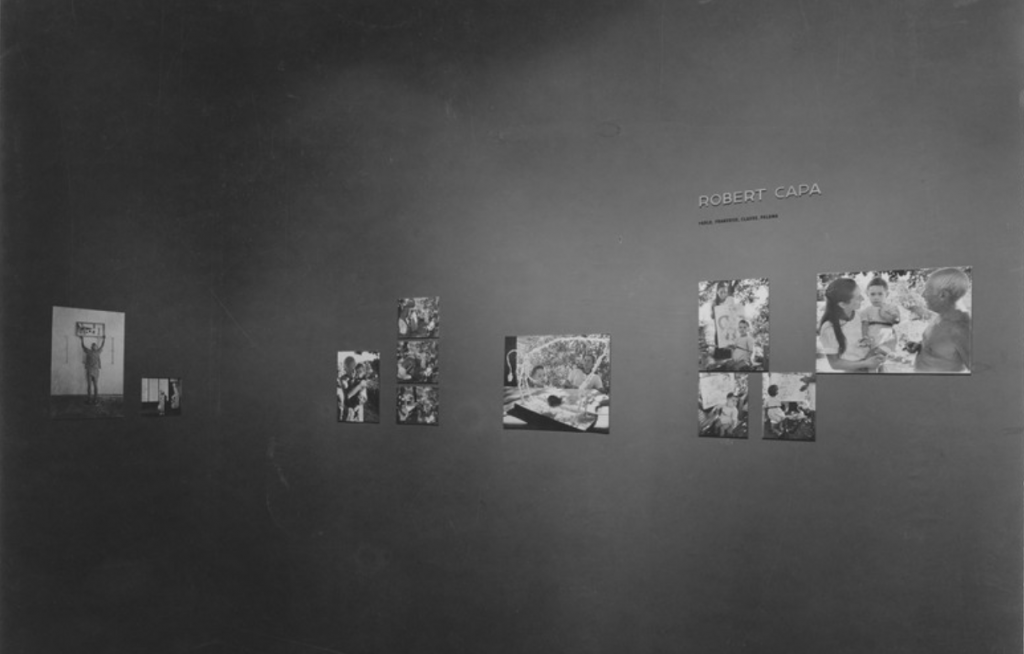
TIRANA, Aug 17/ATA/ In 1950, the Museum of Modern Art in New York devoted a special exhibition to photographs of Pablo Picasso taken by two outstanding 20th-century photographers, Gjon Mili and Robert Capa.

For Mili, however, this was more than an opportunity to photograph one of the most important artists of his time. His meeting with Picasso in Vallauris in 1949 became one of the most celebrated collaborations in the history of photography.

Mili proposed that Picasso draw in the air with a light source, while the camera, using a long exposure, captured the invisible trails of his movements. In the darkness, centaurs, figures and abstract forms emerged, existing for only a few seconds — but the photographs made them timeless.

These “light drawings” mark a remarkable moment in which painting, photography, time and movement come together in a single image.

More than seven decades later, the story of this collaboration returns to Albania through the exhibition “Gjon Mili: Retrospective” at the Marubi National Museum of Photography in Shkodër.

A rare object is on display at the Marubi Museum, highlighting not only Gjon Mili’s creativity but also the international network of professional relationships he built at the heart of New York’s post-war art scene.

This presentation album, produced in 1950 for the exhibition “Photographs of Picasso by Gjon Mili and Robert Capa” at the Museum of Modern Art (MoMA) in New York, is far more than a conventional exhibition catalogue.

The album provides professional documentation of the exhibition, featuring some of Gjon Mili’s most iconic images of Pablo Picasso, as well as the renowned “Light Drawings” series, in which Picasso “draws” in the air with light while Mili’s camera captures the trails of his movements.

The album was produced in a very limited number of copies as a Presentation Album, a prestigious format reserved for leading figures in the art world, museums and cultural publishing.

The copy displayed at the Marubi Museum bears the name of Alexander Liberman (1912–1999) on its cover, one of the most influential figures in 20th-century American visual culture. Liberman was the art director of Condé Nast and later editorial director of Vogue, as well as a photographer and friend of many of the leading modern artists of his time.

The album is signed, dated May 19, 1950, and dedicated by Gjon Mili to Alexander Liberman, making it a direct testament to the professional relationship and mutual respect between two influential figures in international photography and visual culture.

Beyond its bibliographic value, the album represents a fragment of modern photographic history, bringing together art, photography, museums and international publishing in a single object.

Through the album, Gjon Mili emerges not only as the photographer behind the iconic images of Picasso, but also as an active participant in the cultural network that helped shape 20th-century art history.


Objects like this remind us that photographic heritage is made up not only of images, but also of the stories, relationships and dialogues they have generated over the years.

The exhibition “Gjon Mili: Retrospective” has been open since June 12. It is curated by Howard Greenberg and supported by the Ministry of Tourism, Culture and Sports.

/sm/

Previous articleGonxhja: Tourist safety and accommodation standards are top priority
Next articleNufi: Ground and aerial teams battle fire; no houses are at risk