TIRANA, Feb 9 /ATA/ Epilepsy remains one of the most prevalent chronic neurological diseases, characterized by recurrent seizures caused by uncontrolled electrical discharges in the brain.
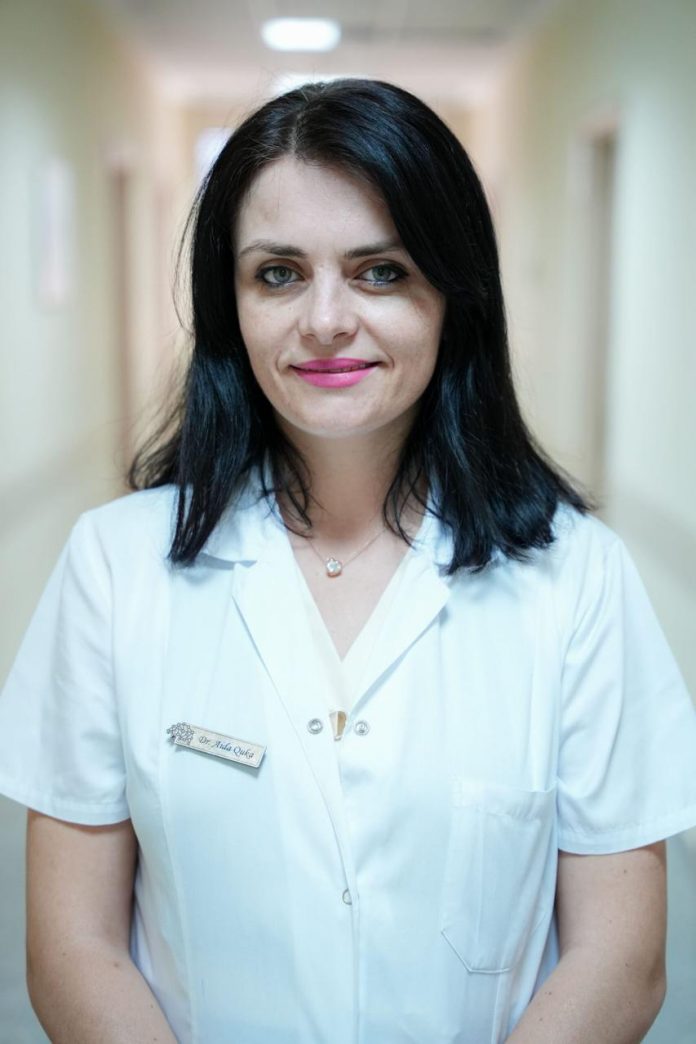
Neurologist Dr. Aida Quka, from the Neurology Service at the University Hospital Center ‘Mother Teresa,’ stated in an interview with ATA that, despite advancements in treatment, public awareness and education continue to be essential for early diagnosis and improving the quality of life for patients.
According to medical data, Dr. Quka notes that the prevalence of epilepsy in Europe is estimated at approximately 5.5–6.5 cases per 1,000 inhabitants. In contrast, a study conducted several years ago in Albania revealed a prevalence of around 14 cases per 1,000 inhabitants, which may be linked to higher infant morbidity rates and the lower level of healthcare services in remote rural areas.
“At the Neurology Service, an average of 15–20 cases of epilepsy are presented weekly, either for treatment or diagnosis. Some of these patients are admitted through emergency care due to frequent seizures in the form of status epilepticus, or are diagnosed for the first time,” said Dr. Quka.”
According to the physician, some of the causes leading to the development of epilepsy may be linked to congenital brain anomalies or infections contracted during childhood.
‘In middle-aged individuals, the most common causes are traumatic brain injuries (accidents), as well as brain tumors or infections. In the elderly, the most frequent causes include cerebrovascular accidents (ischemia or cerebral hemorrhages), brain tumors, trauma, chronic kidney disease, diabetes, and less commonly, dementia (premature brain aging),’ she stated.
The neurologist states that ‘epilepsy does not have warning signs and may manifest as an immediate loss of consciousness, frequent falls without awareness, with or without convulsions (uncontrolled contractions and movements of the body).
“However, in rarer cases, signs that precede seizures, known as auras, may appear. These are symptoms that occur a few seconds before the onset of a seizure. They alert patients that something is about to happen and may help them take preventive measures. Any individual who experiences brief episodes (lasting seconds to a few minutes) with strange sensations in the body, involuntary facial movements, or loss of consciousness should consult a neurologist,” emphasized Dr. Quka.”
Dr. Quka asserts that there are various forms of epileptic seizures, ranging from brief episodes of numbness in the hand or arm, involuntary movements or contractions of a hand/arm or face, strange sensations of anxiety or hallucinations lasting only a few seconds (such as olfactory or visual hallucinations), to seizures with loss of consciousness, falls, with or without involuntary limb movements.
“This means that not all types of epilepsy present with dramatic signs such as falling to the ground, convulsions, or foaming at the mouth. In some cases, when seizures occur during the night, individuals living alone may not be aware, but they may recognize the aftermath, such as involuntary urination, tongue biting, or shoulder dislocations, which can occur during convulsive seizures while sleeping,” she continued.
Dr. Quka advises that individuals with epilepsy and frequent seizures should not be alone at heights or near water, nor should they drive, as they could cause accidents during a seizure. Regarding lifestyle, it is important to avoid large amounts of energy drinks, caffeine, alcohol, or drug use.
“Patients with diabetes need to better manage their condition and avoid sweets, as uncontrolled diabetes directly impacts the frequency of seizures,” Dr. Quka states.
Dr. Quka also emphasizes to ATA that stigma and prejudice against patients with epilepsy are widespread in our society, which causes many of them to suffer from anxiety or depression and to become socially isolated.
“I believe that these patients should be encouraged, as most of them can integrate very well into society, live normal lives with the appropriate treatment, receive education, and be employed just like anyone else. Lifestyle plays a crucial role in the lives of patients with epilepsy, as it has a direct impact on the frequency or reduction of seizures,” she continued.
Dr. Quka recommends that patients with epilepsy have regular consultations with a neurologist, adhere to prescribed medications, and follow a healthy lifestyle for improved quality of life.”
Dr. Quka recommends that patients with poorly managed seizures seek specialized consultations at the epilepsy clinic at the University Hospital Center “Mother Teresa” for a more expert opinion and new treatment options.
/sm/