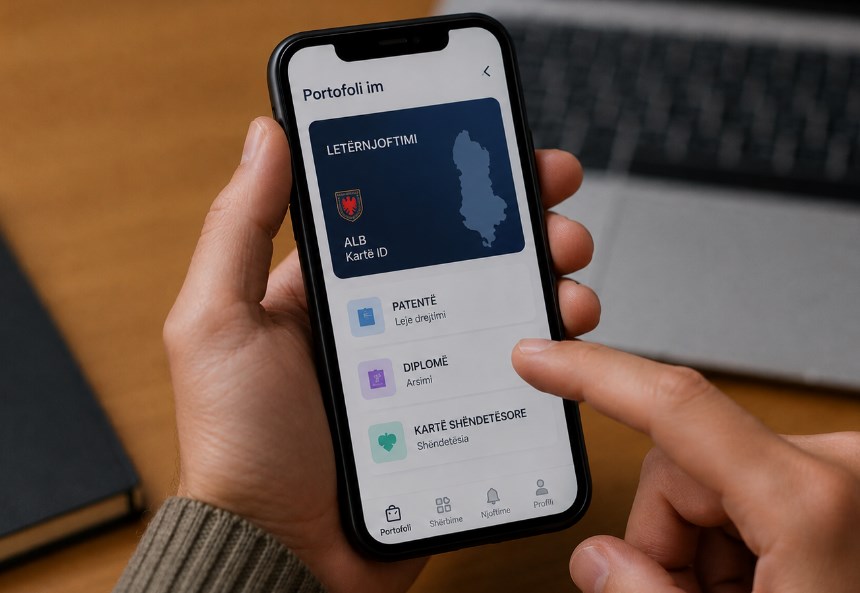
TIRANA, Aug. 31 /ATA/ – The digital identity wallet is an electronic identification tool and an application that can be used to store and manage electronic documents, access public and private services, and electronically sign or seal documents.
The National Cyber Security Authority (AKSK) on Monday outlined some of the key changes introduced by the new law on electronic identification and the digital identity wallet, which has been in force since June 18, 2026.
In a video posted on social media, AKSK said the law also expands the range of trust services to include the validation of electronic signatures and seals, the issuance and validation of electronic attestations of attributes, registered electronic delivery services, electronic archiving and other services.
According to AKSK, the new legislation provides stronger guarantees for the integrity, origin and validity of electronic transactions in which these services are used. It also strengthens technical and legal requirements, enhancing the security of the services and the protection of personal data.
“For citizens and businesses, this means easier and more secure access. For trust service providers, it provides a clearer regulatory framework and opportunities for new services. For the state, it means more efficient electronic public services and simpler administrative procedures,” AKSK said.
The law is fully aligned with the European Union’s eIDAS Regulation and also fulfils Albania’s commitments under the National Reform Agenda 2024–2027 and the National Plan for European Integration 2024–2026, the authority said. It is intended to strengthen security for citizens, businesses and institutions while supporting the development of the digital economy.
The digital identity wallet will allow citizens and businesses to manage their electronic identity and documents through a single platform.
/e.i/a.f/u.sh/