TIRANA, Aug. 6 /ATA/ – An exhibition showcasing traditional carpet-weaving craftsmanship has opened at Public Gallery in Tirana, highlighting how confiscated assets can be transformed into spaces that support culture, social entrepreneurship and community development.
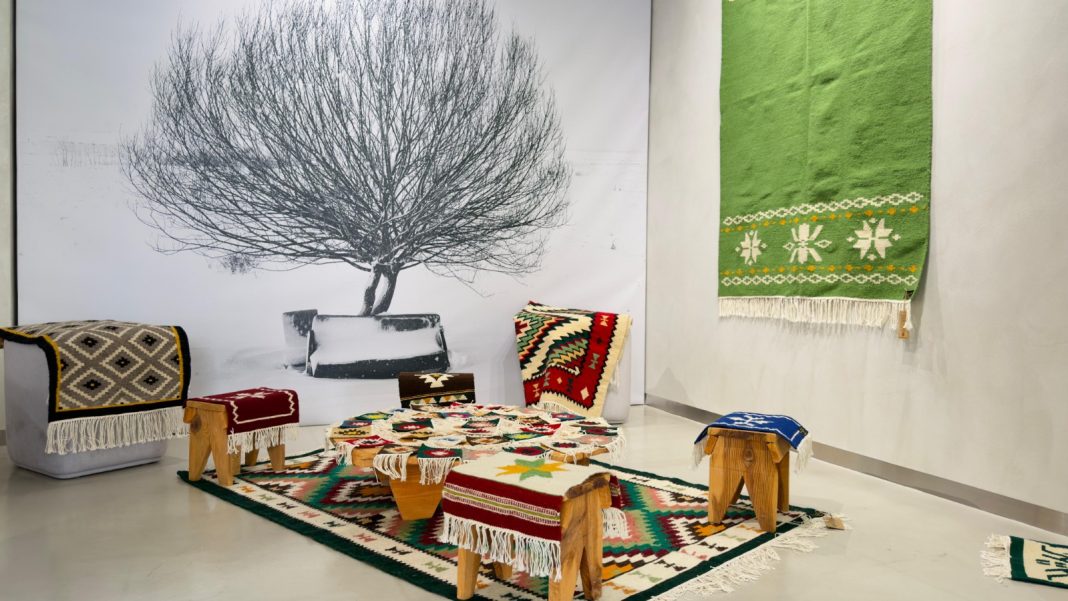
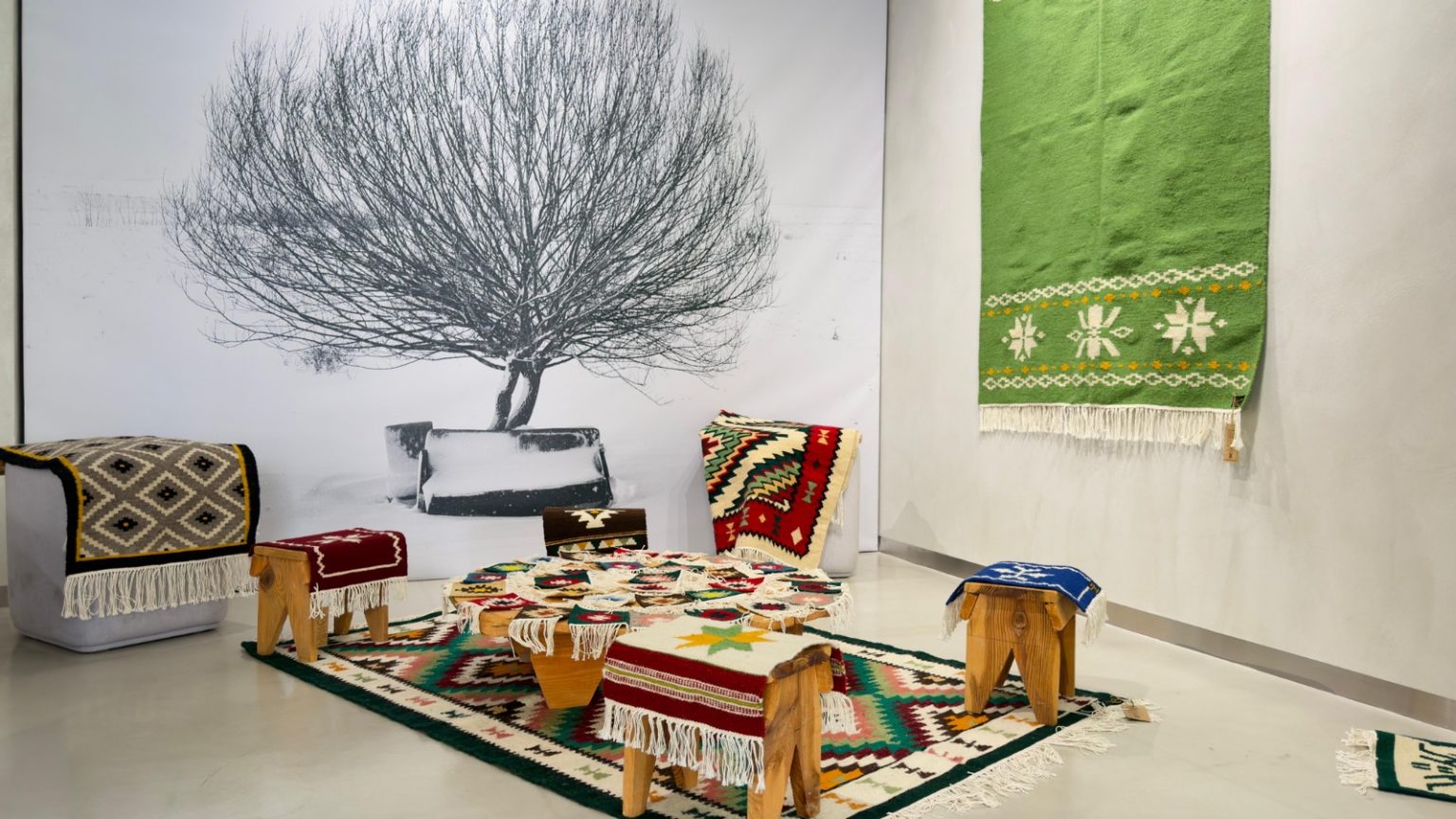
The exhibition, titled “Carpet Weaving,” features handmade works created by women from the social enterprise “Tradita Ime Artizanale” (“My Craft Tradition”), presenting what organisers describe as a successful example of the social reuse of confiscated property.
The event is being held at Public Gallery, an arts and cultural venue established in a confiscated property and managed by Albania’s Agency for the Administration of Seized and Confiscated Assets (AAPSK). The exhibition creates a symbolic link between two confiscated properties now serving public purposes: a production centre in Elbasan, where the social enterprise has operated for years, and the exhibition space in central Tirana where the artisans’ work is displayed.
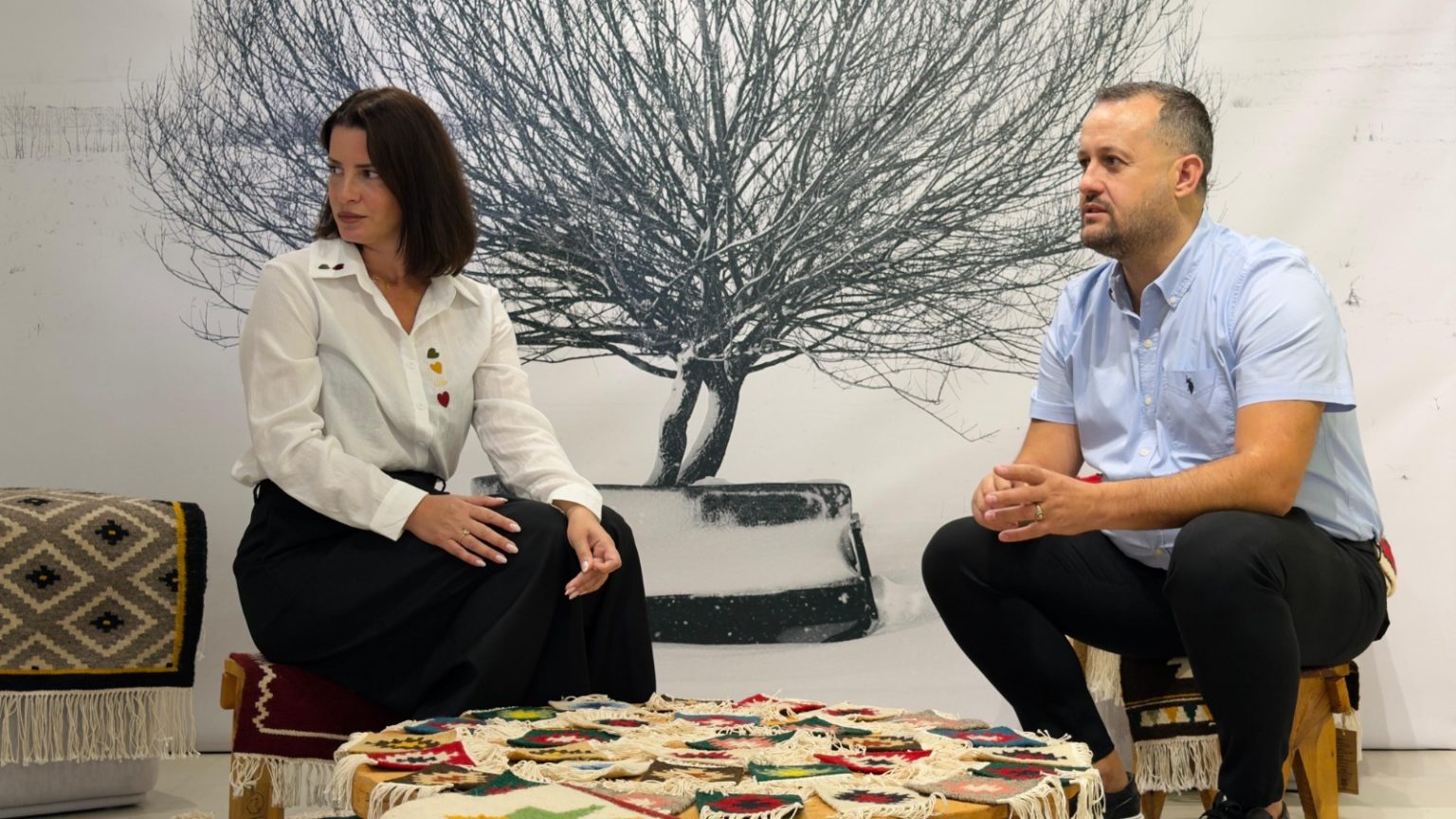
AAPSK Director Risena Xhaja said the initiative demonstrates how assets seized from criminal activity can be converted into opportunities for economic, social and cultural development.
“Confiscated assets should not remain frozen resources but be returned to the service of the community,” Xhaja said. “One confiscated property in Elbasan has long served as a production and employment centre for women, while another in Tirana has recently been transformed into a space dedicated to art and culture.”
She said the agency aims to expand this model by turning confiscated assets into projects that generate tangible benefits for local communities and promote social inclusion.
Saimir Bakalli, head of the Joscelyn Foundation, said the exhibition seeks not only to preserve the traditional craft of carpet and rug weaving but also to highlight the personal stories of the women behind the creations.
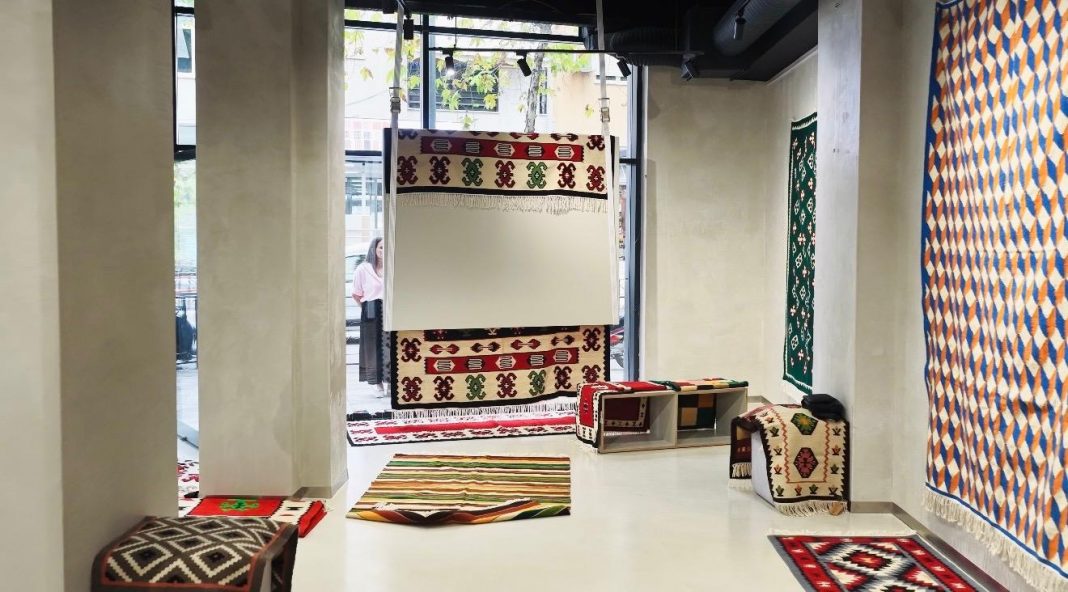
The exhibition features a collection of carpets, rugs and other handcrafted items produced using traditional techniques and incorporating motifs rooted in Albania’s cultural heritage. Organisers say the initiative illustrates how cooperation between public institutions and civil society can transform confiscated properties into spaces that promote culture, support social enterprises and create new opportunities for communities.
/j.p/r.e/u.sh/