TIRANA, Nov 21 /ATA/ – Albania continues to advance steadily toward high-middle-income status and a fully functioning market economy as the country pursues European Union accession, but further growth will depend on improving public finances, according to a new World Bank report.
The report, Public Finance Review, published on Friday, underlines that fiscal reforms are key to creating quality jobs, boosting investment in critical sectors such as education, health and infrastructure, and accelerating economic convergence with the EU.
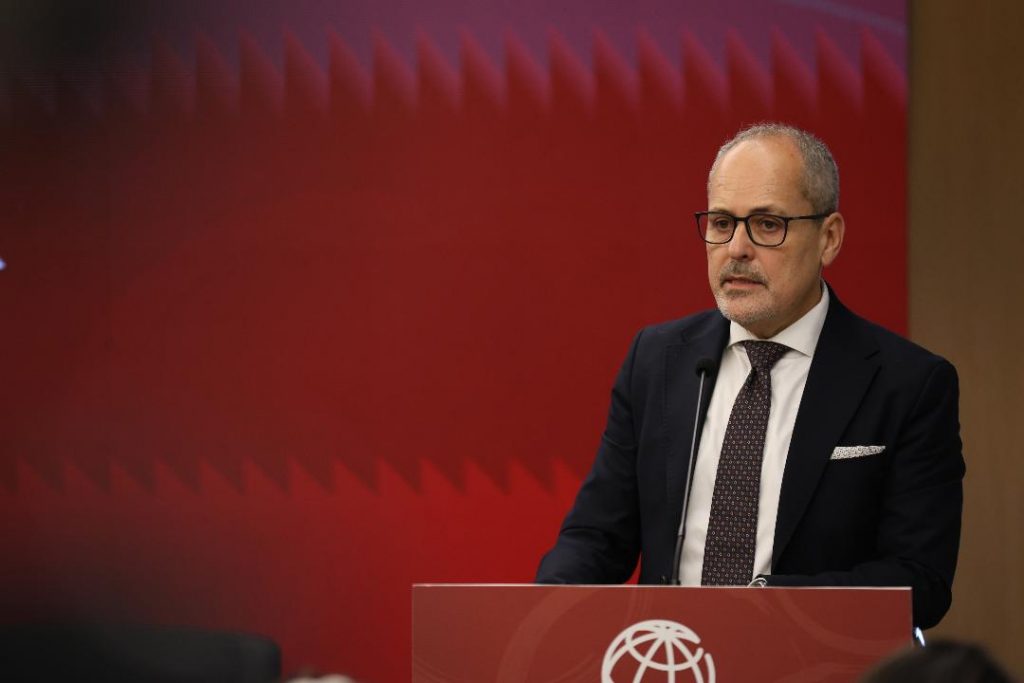
“Albania’s growth prospects depend on strengthening human capital, improving infrastructure, and advancing climate policies to accelerate EU convergence, particularly amid demographic changes,” said Massimiliano Paolucci, World Bank country manager for Albania. According to him, the country could increase investment in people and strengthen the economy by raising revenues and spending more efficiently.
The World Bank report notes that reforms have strengthened the tax system, but revenues remain below potential due to unreported wages, informality, exemptions, and enforcement gaps. Priority measures include formalizing short-term rental income, introducing property taxes based on market value, implementing a coal carbon tax, and aligning tobacco taxes with EU levels. These actions could generate annual revenues equivalent to 0.9% of GDP, with additional gains from reviewing exemptions and improving tax administration.
Albania’s budget is largely focused on pensions, wages, and capital investment, while spending on health, education, and other social policies remains relatively modest. The report identifies opportunities to improve efficiency in key sectors, ensuring that existing resources translate into tangible benefits for citizens.
Demographic pressures are rising: by 2060, 29-34% of the population is expected to be of retirement age, while the average pension covers only 32% of wages – the lowest in the region. The report recommends expanding the contributor base through long-term incentives, increasing benefits, improving equity, introducing a defined-contribution scheme for new contributors, and simplifying pension calculations.
Reforms should also prioritize future workforce development, including early childhood services, where access remains limited: only 10% of children under three are enrolled in public nurseries, and 18 municipalities offer no services. Expanding access and improving quality are essential to boosting labor force participation, reducing gender inequality, and strengthening human capital.
The World Bank stressed that implementing these reforms, maintaining fiscal discipline, and creating financial buffers are vital to supporting Albania’s long-term development and accelerating convergence with EU income levels.
/j.p/r.e/u.sh/