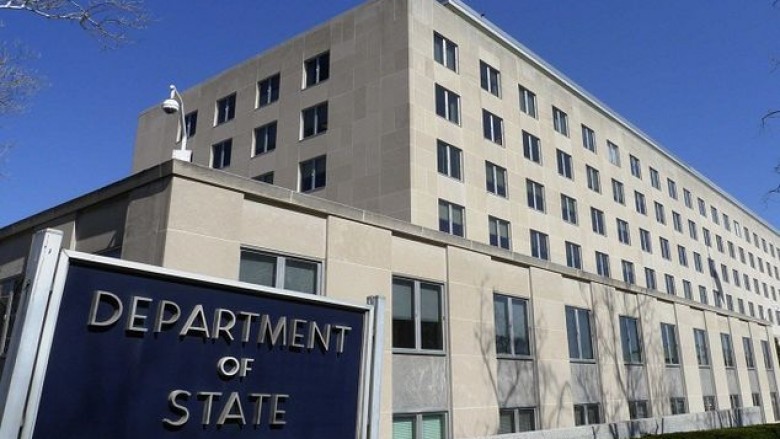
TIRANA, Sept 28 /ATA/ The U.S. Department of State has released its 2025 report on the business climate in Albania.
The report notes that “The Albanian government has adopted policies to promote foreign investment in the country.”
“Albania maintains a liberal foreign investment framework to attract direct investment. The Foreign Investment Law provides protections for foreign investors and allows full foreign ownership of companies, except in domestic and international passenger air transport and television broadcasting. Albanian legislation treats domestic and foreign investments equally,” the report notes.
The report also commends the Strategic Investment Law, which offers incentives and fast-track administrative procedures depending on the scale of the investment and the number of jobs created, applicable to both domestic and foreign investors.
“Despite this supportive legislation, very few foreign investors have obtained ‘Strategic Investor’ status, with nearly all projects awarded to domestic companies in the tourism sector. Foreign investors applying for this status report that responses from AIDA have been slow,” the report adds.
The report assesses Albania’s macroeconomic situation as stable.
In 2024, economic growth reached 4%, driven by strong expansion in the tourism and real estate sectors, as well as prudent macroeconomic policies.
The U.S. Department of State also notes that inflation fell significantly in 2024 to 2.2%, remaining within the targets set by the Bank of Albania. Public debt also declined to 55% in 2024, thanks to fiscal consolidation and prudent monetary policy.
The report also highlights that, as a developing country, Albania offers investment potential across multiple sectors, including energy, tourism, agriculture, and technology.
According to the report, over the past decade, Albania has attracted higher levels of foreign direct investment (FDI), but it lacks a review mechanism for incoming FDI projects.
The U.S. Department of State notes that Albania has made strides in curbing corruption through a robust legal framework and the digitalization of public services for citizens and businesses.
“However, foreign investors still view Albania as a challenging business environment, citing persistent obstacles in investment and operations due to corruption within the public sector, judiciary, and public procurement,” the report adds.
The report highlights high informality in the business sector as a significant challenge, affecting the country’s competitiveness and economic development.
“Despite the sustained growth and stability demonstrated by the Albanian economy in recent years, its economic development remains fragile due to widespread corruption, organized crime, distorted competition, labor shortages caused by emigration, low productivity, and a large informal sector,” the report states.
/m.m/a.f/sm/