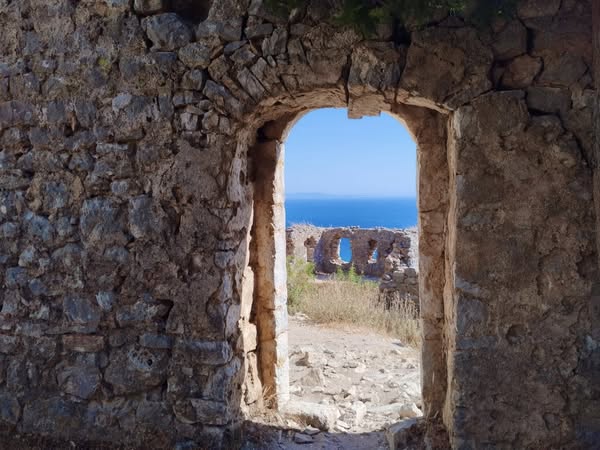
TIRANA, July 22 /ATA/ – Mornings atop Himarë Castle in the Albanian Riviera offer breathtaking views, serving as a vivid reminder of the historical and natural wealth that defines this remarkable site.
Perched on a hill overlooking the Ionian coast, the castle stands as a cultural heritage treasure, where the sea meets centuries of history and the enduring spirit of the local people.
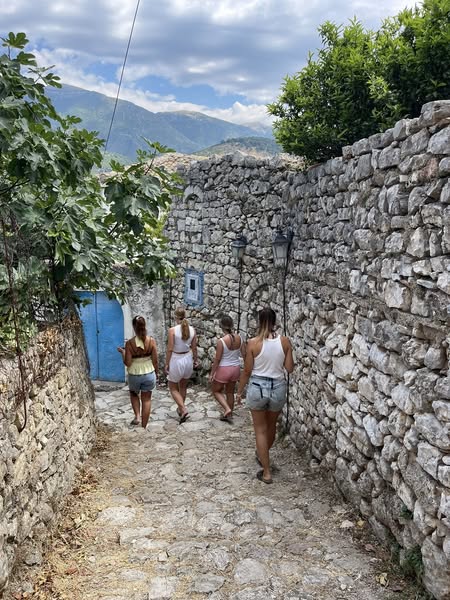
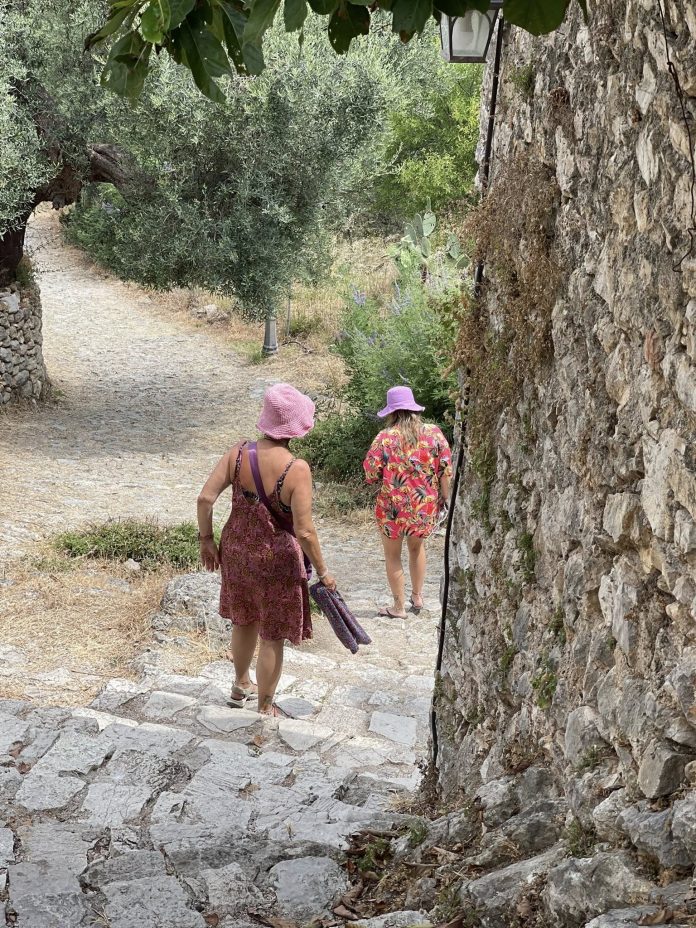
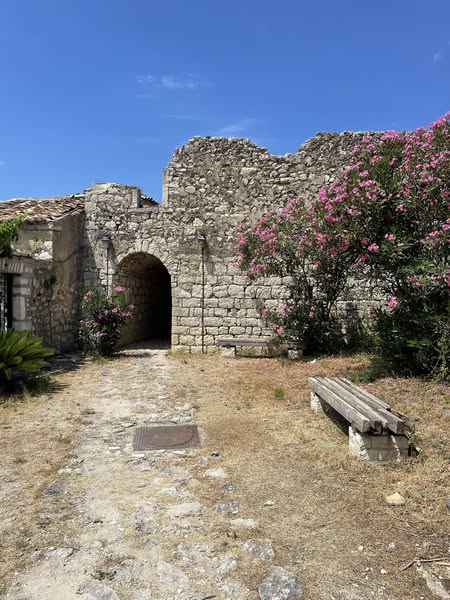
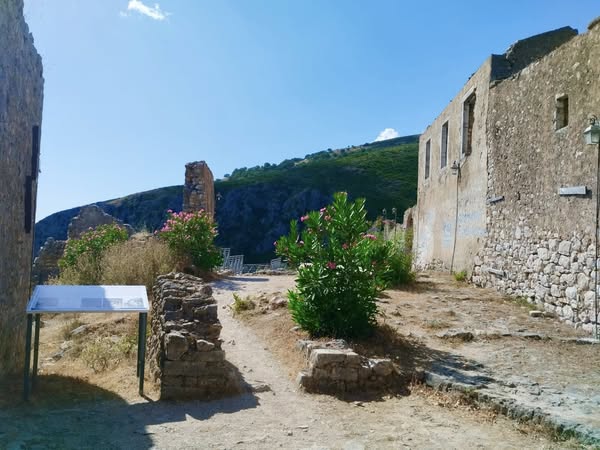
The panorama is captivating, attracting a steady stream of visitors who climb to its summit to take in the views and explore its ancient grounds. Open daily, Himarë Castle welcomes guests – both locals and international visitors – who wander its stone-paved alleys, discovering old churches and traditional homes that once buzzed with life.
Believed to have been built by the ancient Kaonians, the castle served as a formidable stronghold over the centuries. It withstood Roman, Byzantine, and Ottoman incursions, standing tall through history’s upheavals.
The ancient town of Himarë itself is an archaeological monument, estimated to be around 3,500 years old. The castle – also known as Barbakas – features two main gates, to the north and south, and is flanked by two natural canyons: the Vishë Canyon, a designated natural monument, to the northwest, and the Kole Midhari Stream to the southeast.
Historical records trace the castle’s existence back to at least the mid-4th century BC, when it controlled coastal routes between Orikum and Buthrotum (modern Butrint). Some scholars link the name Himarë to the ancient city of Chimera – a reference to the mythical creature with a lion’s body, a goat’s head, and a serpent’s tail—and place it within the Epirus region inhabited by the Kaonian tribe.
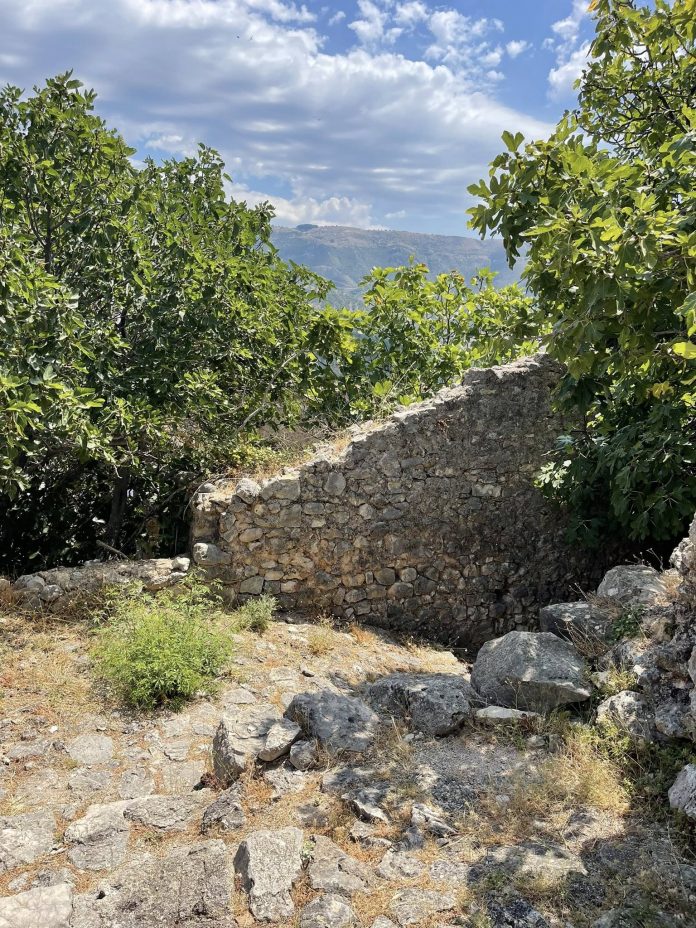
Sections of the castle’s Hellenistic-era fortifications remain intact. Large, polygonal stone blocks mirror those found in other ancient cities such as Finiq (Phoenice), Butrint, and other Kaonian settlements from the same period.
Within the Hellenistic walls lies one of the site’s most important monuments: the Church of the Episcopate. According to some sources, it was built atop the foundations of a temple dedicated to Apollo. The complex includes a main church and a partially excavated section believed to house the tombs of two bishops.










/j.p/u.sh/