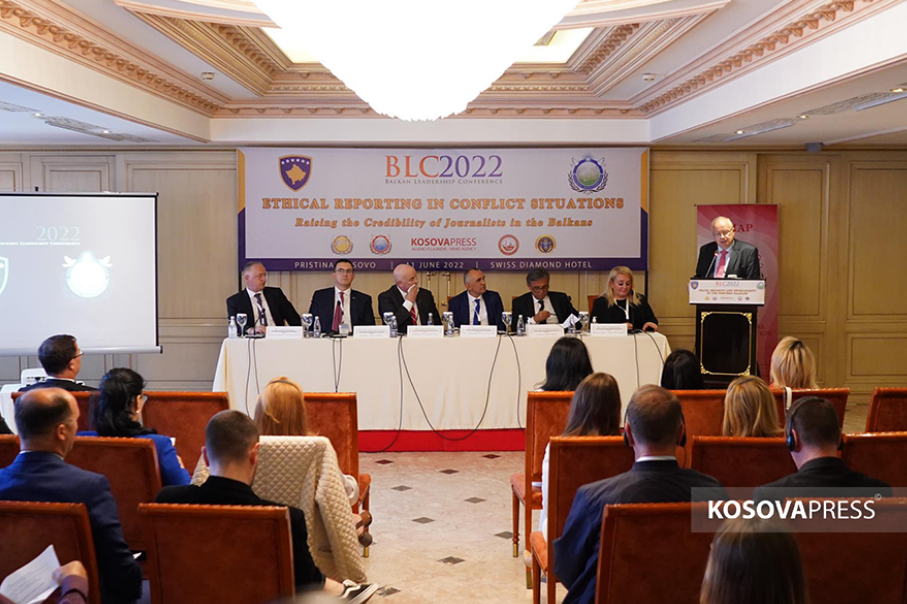
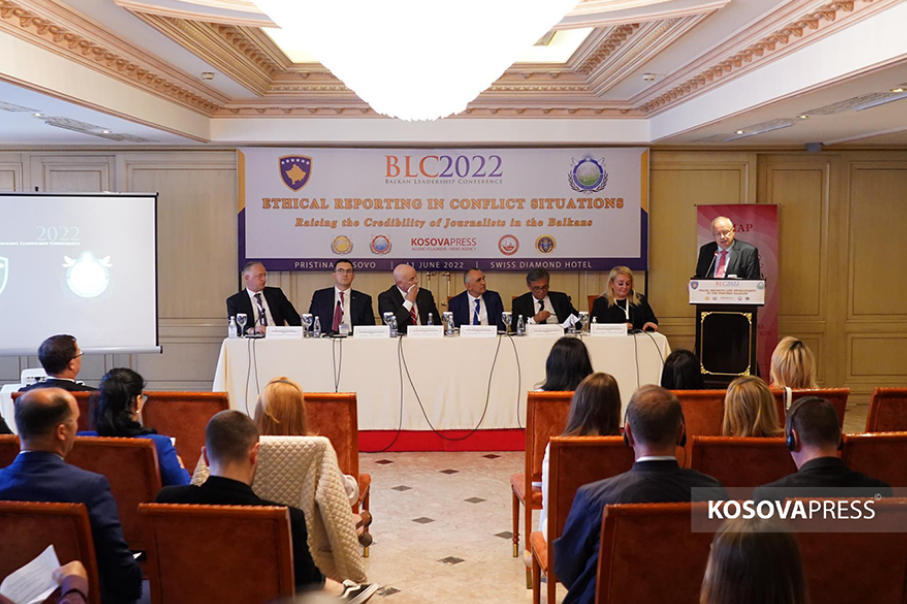
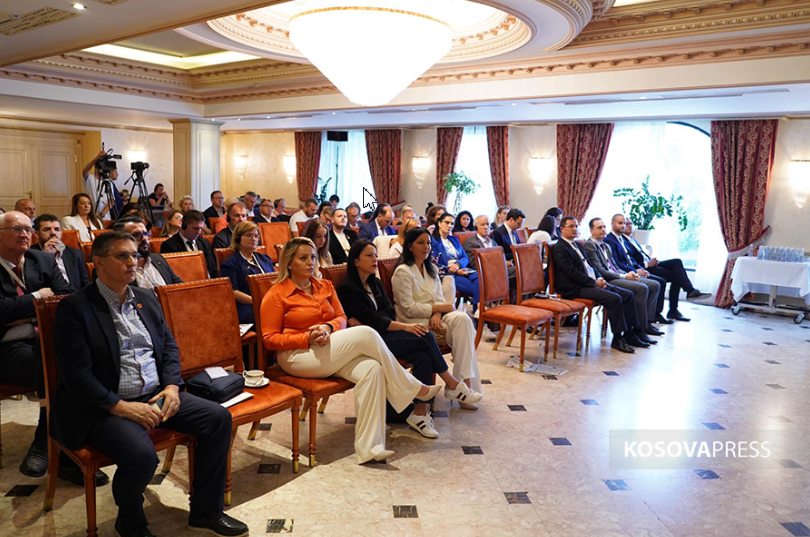
PRISHTINA, June 11 /ATA/ – Ethical reporting in conflict situation was one of the topics addressed by participants in the Balkan Leadership Conference “Peace, Security and Development in the Western Balkans” hosted by the Prishtina-based KosovaPress news agency and the Association of the Balkan News Agencies Southeast Europe (ABNA-SE).
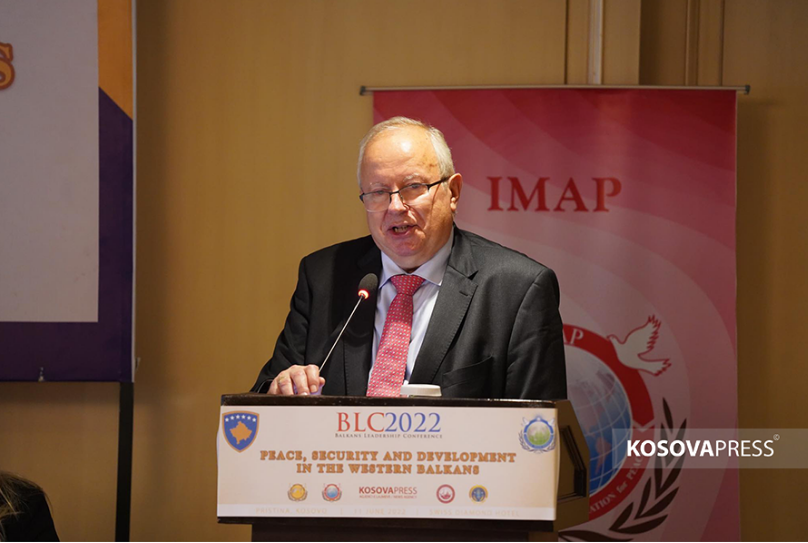
The Head of the Universal Peace Federation Peter Zoeher said in his remarks that the media image in the eyes of the public has been crumbled and work is needed to restore reliable and free media.
“The image of the media in the eyes of the public has been tarnished in the last 15 or 20 past years, not only in the eastern region, but also in the Western Europe and the United States of America itself. The image of the media has changed or has faded in recent years and nobody but us are the ones to be blamed and it is only us who can restore this image in the coming years and make sure that the media are reliable, correct, responsible and free. We should be united and help journalists for a better and more peaceful world,” he said.
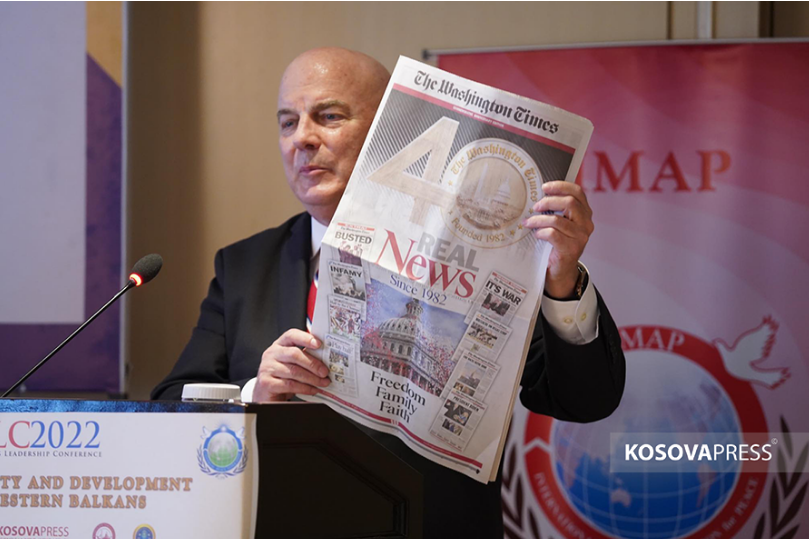
Discussing on the ethical reporting in situation of conflicts, Tom McDevitt, the chairman of the board of directors of the Washington Time, focused on the growing challenges people are facing in recent years and the role of journalists in these events across the world.
“We face multi-dimensional challenges, namely the COVID-19 pandemic that has caused so much pain and hardship throughout the world, social norms have been either damaged or destroyed. There are also other challenges as the world is encountering countless problems and it is crucial for us as journalists to figure out the essence, the indicators leading to such changes, especially if we really wish to report news stories correctly, impartially and totally free,” he said.
According to him, a lot of work is needed so that a phenomenon is created in the Balkans with an impact on the international media landscape.
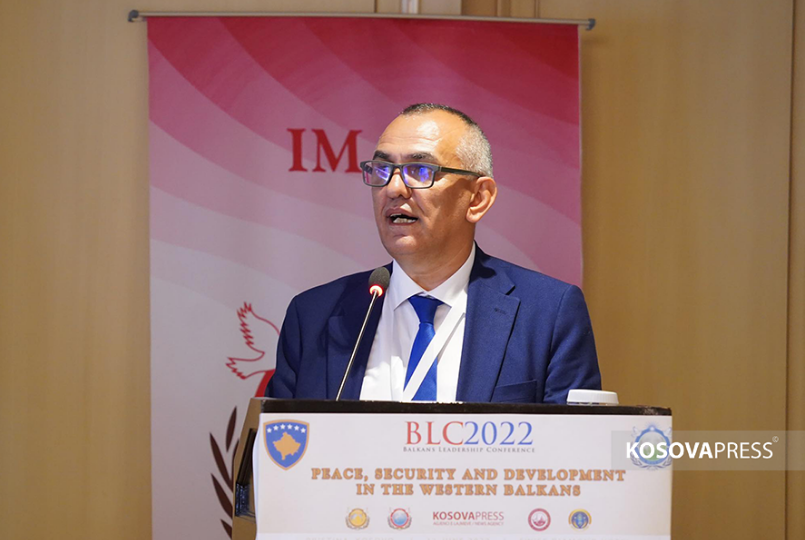
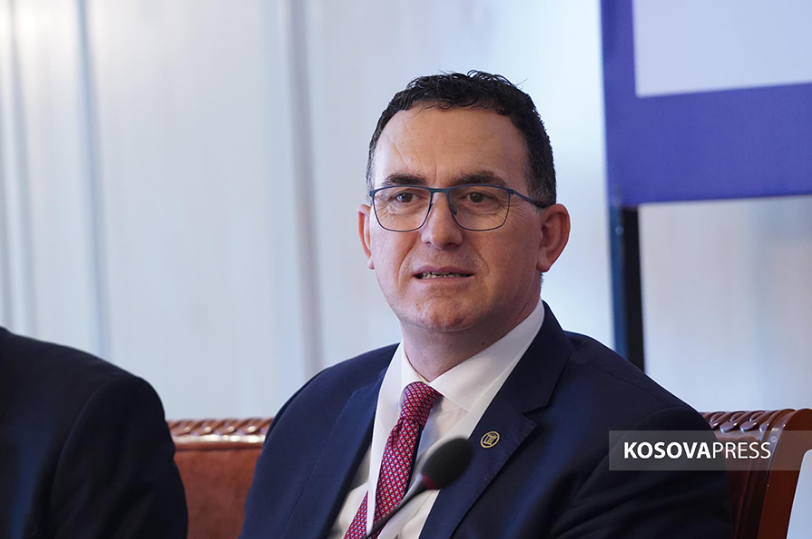
On his part, the President of ABNA-SE, Skënder Krasniqi said that the media should refrain from inciting conflict and serve the truth only.
“We as the media must avoid inciting conflict, hatred and animosity, using neutral and not emotionally charged language, and we can serve the truth and not invent it. Our duty as a media in a conflict zone is to provide coverage and report independently on the events to inform local and foreign public, increasing transparency on that conflict so that the public doesn’t depend on official information only. The murder of journalists is a murder of the truth which unfortunately, even now as we speak – is happening not far from here. In this regard and by trying to contribute to peace rather than violence, we within ABNA, which brings together news agencies from 12 Balkan and Southeast Europe countries, except Montenegro that we hope to join soon, we are working continuously, increasing cooperation between news agencies so that news from our countries can come first hand and in this way to contribute to preventing distortion of information by other actors,” Krasniqi said.
The conference is organized by the Universal Peace Federation, in partnership with KosovaPress news agency, Washington Times Foundation, the International Media Association for Peace (IMAP), and the International Association of Youth and Students for Peace (IAYSP).

/KosovaPress/u.sh/