TIRANA, October 2 /ATA/ – The Academy of Sciences has launched an interdisciplinary project to assess the tourism carrying capacity of the Ksamil-Butrint area, balancing environmental protection, cultural heritage preservation and sustainable development.
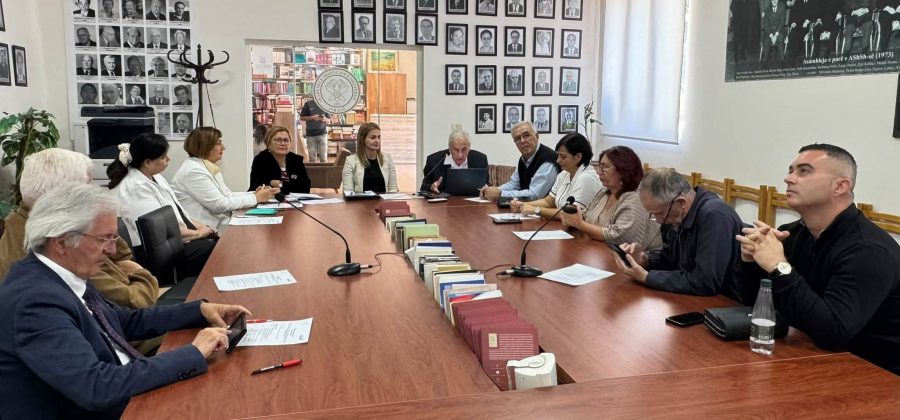
As part of the project ‘Determining Tourism Carrying Capacities in Natural, Cultural, and Social Landscapes,’ the Temporary Geographic Research Unit at the Academy of Sciences convened an introductory meeting to detail the project’s core objectives, methodology, and implementation phases.
Project leader Prof. Dr. Perikli Qirjazi stressed the need for sustainable tourism land-use limits, ensuring that tourist growth doesn’t threaten environmental stability, cultural heritage, or community welfare.
To provide a scientific basis for land management, the study will analyze tourism’s impact on ecosystems, water resources, air quality, and natural habitats.
A significant component of the project involves the use of new technologies. Assoc. Prof. Dr. Edmond Hoxha presented the research methodology and the use of Geographic Information Systems (GIS), drones and digital instruments for data collection and processing.
During the meeting, there was also highlighted the importance of inter-institutional cooperation. Prof. Dr. Enika Abazi, Director of the Center for Scientific Research and Project Coordination and Danjel Pirushi, Director of the National Agency for Scientific Research and Innovation, emphasized the importance of a structured scientific study for areas facing high tourist volumes.
The project entails fieldwork, data collection and processing, report drafting and the use of findings to support policy-making and decision-making in the fields of tourism and territorial management.
The interdisciplinary Ksamil-Butrint model aims to provide new data and methods for assessing tourist load and maintaining a balance between tourism development and the preservation of the area’s natural and cultural assets. /p.s./