13.5 C
Tirana
14-10-26
Home Economy

Albania’s garment industry on brink of collapse, opposition warns

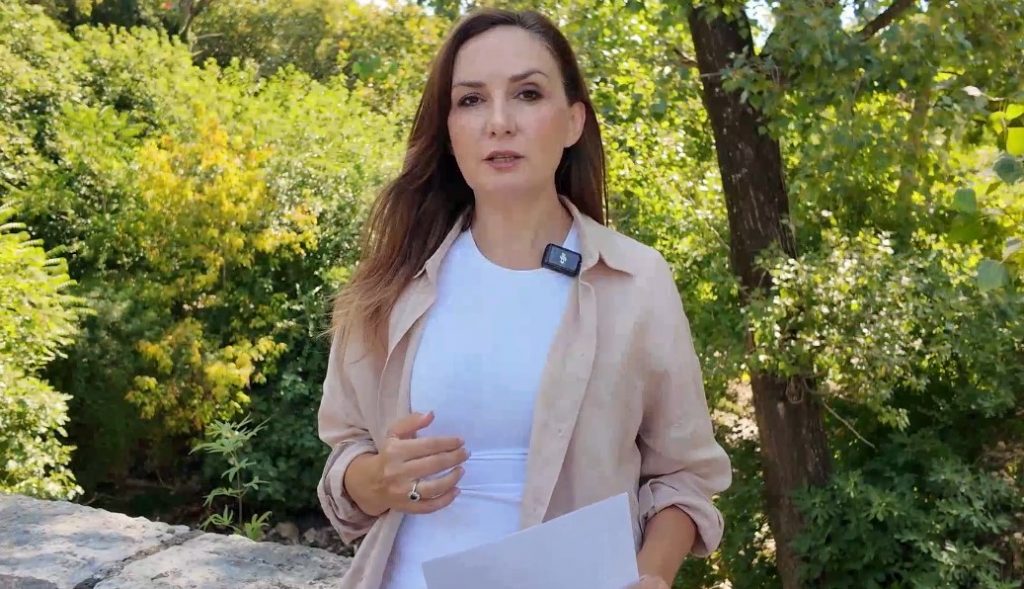
TIRANA, Aug 4 /ATA/ Democratic Party MP Jorida Tabaku has accused the government of pushing Albania’s garment manufacturing sector into crisis, blaming what she described as failed economic policies.

Tabaku said that, after 13 years in power, the Socialist government had left more than 175,000 Albanian families facing the consequences of the industry’s decline.

According to the Democratic Party MP, the garment industry is facing a lack of government support, while it has also been hit by the euro’s depreciation, rising costs and the tax burden.

“After 13 years in government, the Socialists have left more than 175,000 Albanian families facing the decline of the garment industry, a sector that once provided jobs for hundreds of thousands of people,” Tabaku wrote.

She said the situation was the result of an economic and political model that prioritised the interests of a small group while leaving ordinary families to bear the cost.

Tabaku further argued that illicit money and organised crime are distorting competition and damaging the economy.

“Meanwhile, the government neither supports nor subsidises the garment industry, which has also been severely affected by the depreciation of the euro, high costs and taxes,” she wrote.

Tabaku said the closure of businesses and the decision by entrepreneurs to invest abroad were signs of a failed economic model, which she warned was also putting Albania’s “Made in Albania” brand at risk.

“As this crisis continues to affect the lives of thousands of families, Albania risks losing its ‘Made in Albania’ brand. The sight of businesses being put up for sale and entrepreneurs packing their equipment to move abroad and create jobs elsewhere is evidence of this government’s failed economic vision,” Tabaku said.

The Democratic Party MP said Albania needs policies that support production, entrepreneurship and employment, adding that “without production there can be no jobs, exports or a sustainable economy.”

/m.q/j.p/r.e/sm/

Previous articleAI offers lifeline to developing economies in an era of weak growth
Next articleSerbia cases trigger higher veterinary alert for swine fever