TIRANA, July 26 /ATA/ Albania has steadily expanded its network of protected areas, with nearly one quarter of the country’s territory now included in the national nature protection system.
Deputy Prime Minister Albana Koçiu on Sunday shared an informational video summarising the progress of Albania’s environmental policies over the 2013–2026 period.
Koçiu highlighted changes to the legal framework for environmental protection, the strengthening of protected area management, and initiatives undertaken to raise public awareness, conserve biodiversity, and promote sustainable development.
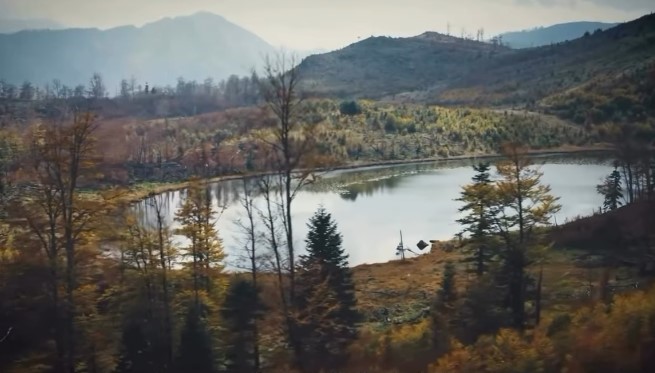
The national network of protected areas includes 12 national parks, 28 nature parks and reserves, 11 protected landscapes, and 724 natural monuments. Among the sites granted special protected status are the Albanian Alps, the Blue Eye, Porto Palermo, and the Vjosa River Valley.
The Vjosa initiative was implemented in cooperation with international organisations and partners, including the International Union for Conservation of Nature (IUCN), of which Albania is a full member.
The Vjosa National Park and Lake Shkodra are also included in UNESCO’s Man and the Biosphere Programme, a flagship global initiative promoting the harmonious coexistence of people and nature.
Another key measure was the introduction of a hunting moratorium, following years of uncontrolled pressure on wildlife populations. Within the first two years of its implementation, bird numbers increased by 40%. The ten-year ban was introduced to curb the sharp decline in wildlife species across forests and wetland areas.
In 2025, protected areas recorded 5.8 million visitors. More than 200 certified agrotourism and ecotourism operators, along with over 1,100 tour guides, are active in this sector. Activities such as rafting, kayaking, mountain hiking, and other outdoor sports have created new economic opportunities for local communities.
/m.m/sm/