TIRANA, June 6 /ATA/ – A growing number of Albanian farmers are joining forces through agricultural cooperatives in a shift toward a more integrated farming model inspired by European Union practices, encouraged by new government support measures aimed at increasing productivity and competitiveness.
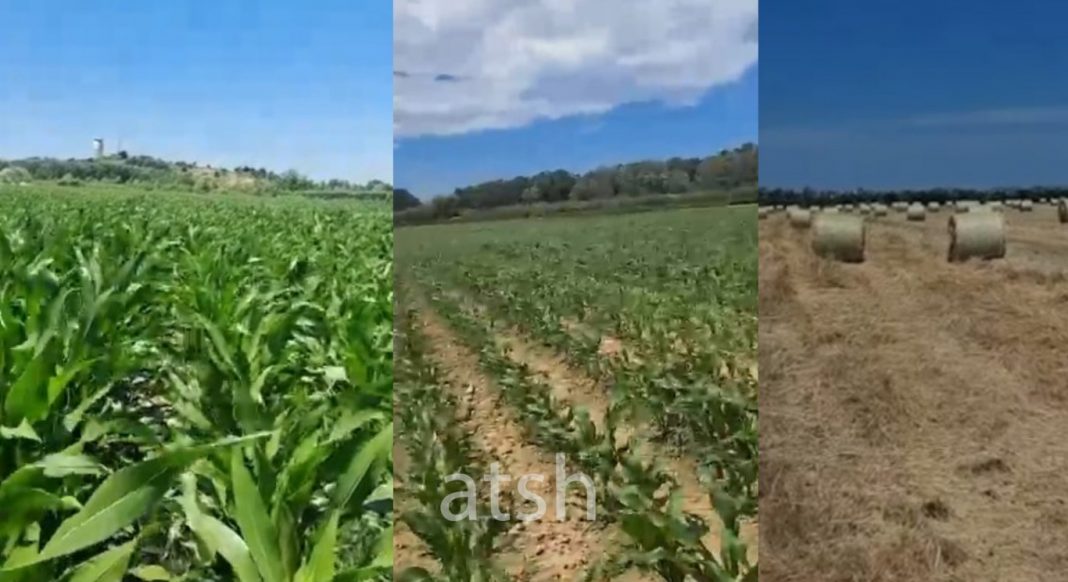
In Katund i Ri, a farming community near the western city of Durrës, eight farmers have pooled their land, resources and expertise to establish one of the country’s newest agricultural cooperation societies, cultivating around 260 hectares of farmland.
The initiative has been driven in part by Albania’s 2026 National Agricultural Support Scheme, which, for the first time, places Agricultural Cooperation Societies (SHBB) at the center of its funding strategy by offering full financial coverage for eligible support measures.
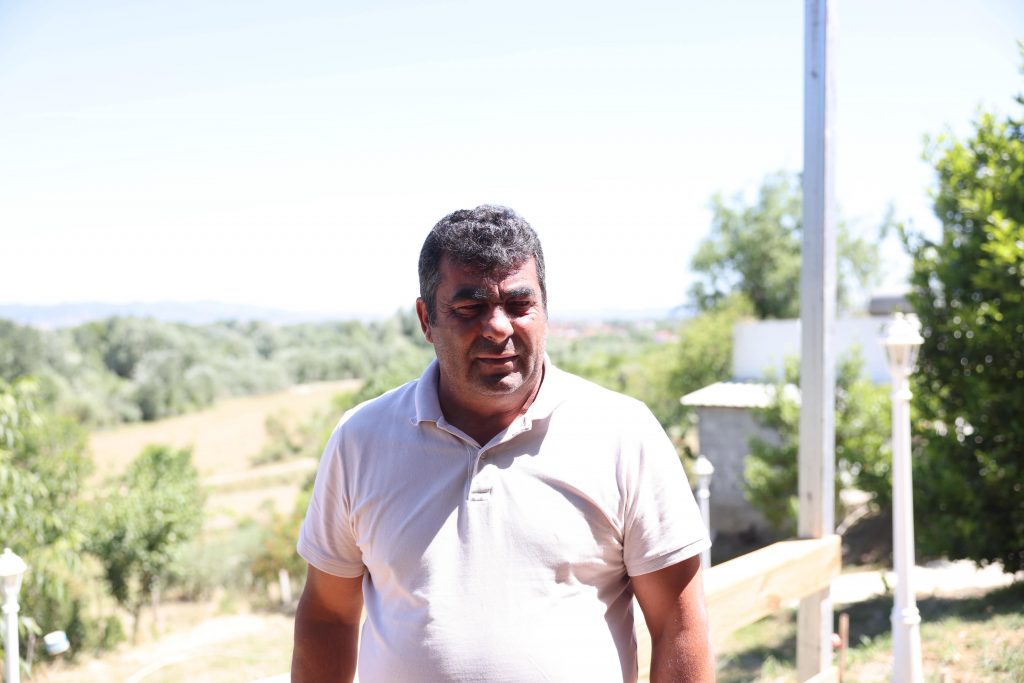
“Our cooperative was recently established, encouraged by the opportunities provided through the national support scheme and agricultural subsidies,” said Fori Balla, head of the cooperative specializing in cereal production. “Together, we cultivate wheat, maize, beans and forage crops across approximately 260 hectares.”
“By operating collectively, farmers can share machinery, reduce production costs and strengthen their bargaining power in the marketplace,” Balla told Albanian Telegraphic Agency (ATA). The cooperative model is also expected to improve access to government assistance and other financing instruments.
According to the Ministry of Agriculture and Rural Development, Albania currently has 84 registered agricultural cooperation societies. Twenty-six were established with municipal support, while 58 were created through farmers’ own initiatives.
The model is gradually expanding across the country, from olive-growing regions in Berat and Vlora to onion farms in Korça, walnut producers in Kolonja and medicinal plant cultivators in the northern district of Malësia e Madhe.
Agricultural experts say organized producer groups are better positioned to secure long-term sales contracts, invest in modern technology and access larger markets. They estimate that cooperative farming can reduce production losses by up to 25%, contributing to higher incomes for rural households.
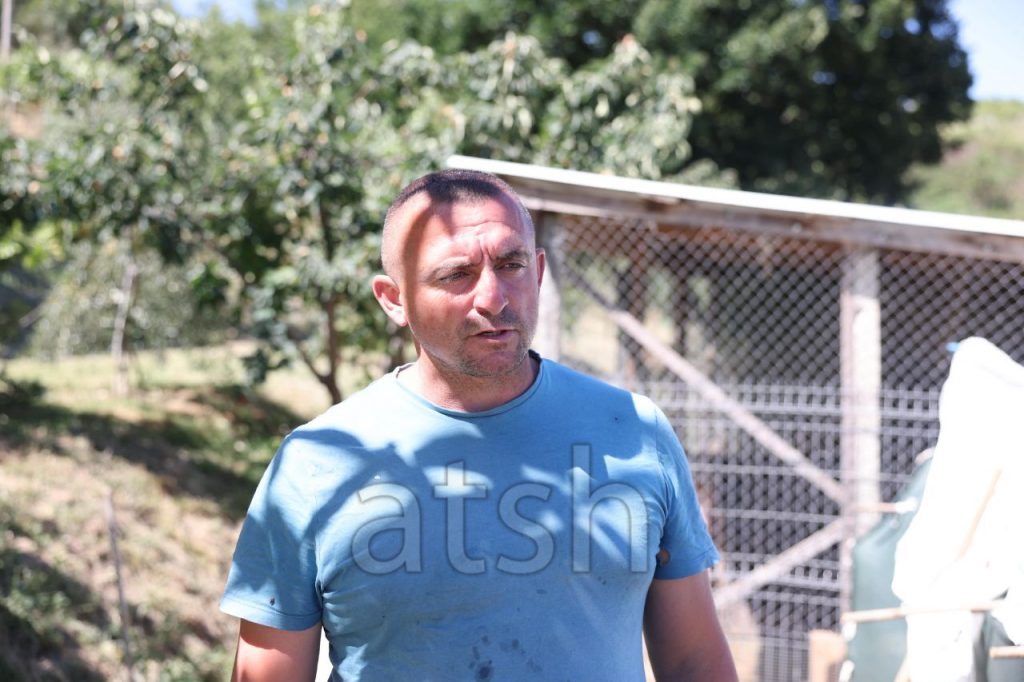
The support scheme also includes direct aid for livestock farmers. In Katund i Ri, cattle breeder Endrit Pisha said government subsidies for his dairy herd have helped reduce operating costs and support plans for expansion.
“I have benefited from state support for several years,” Pisha said. “The subsidies have helped me manage expenses and plan the growth of my farm.”
Under the 2026 scheme, farmers with between five and 50 cows or heifers are eligible for support of 12,000 leks per animal, while producer groups and agricultural cooperatives qualify for full funding.
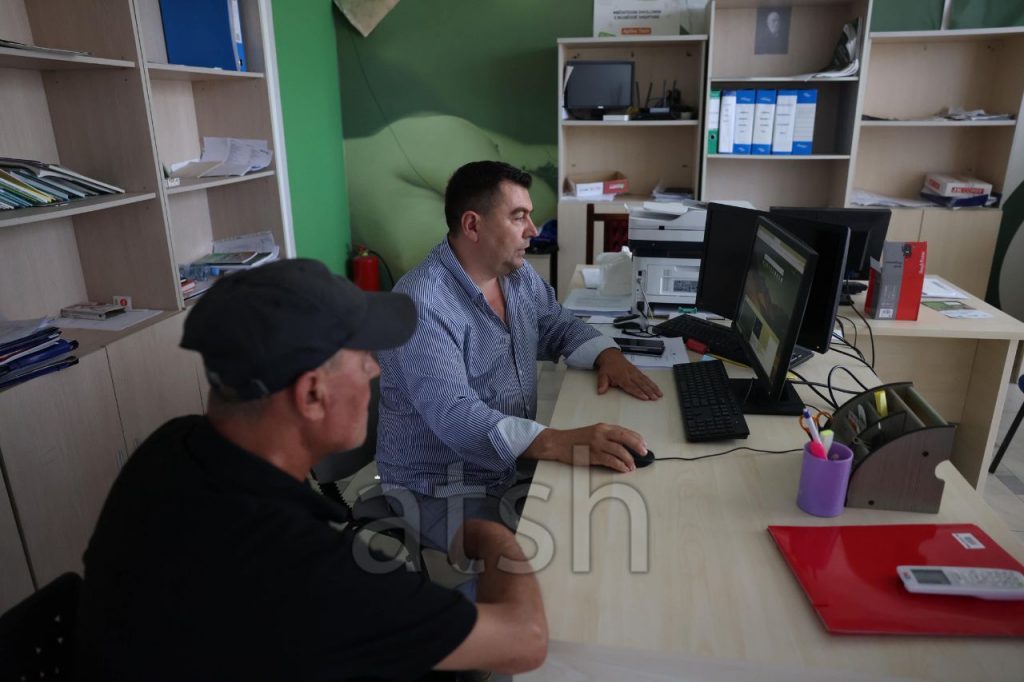
Agricultural advisers have been deployed across rural areas to assist farmers with applications, while interest in the program has risen significantly through local agricultural service centers known as Agropika.
As Albania advances toward European Union membership and faces increasing competition in agricultural markets, policymakers view cooperation societies as an important tool for overcoming the fragmentation of farmland and improving sector competitiveness.
For many farmers, cooperation is increasingly seen not only as a pathway to subsidies but as a long-term investment in the future of their farms and Albania’s agricultural sector as a whole.
/e.xh/j.p/u.sh/