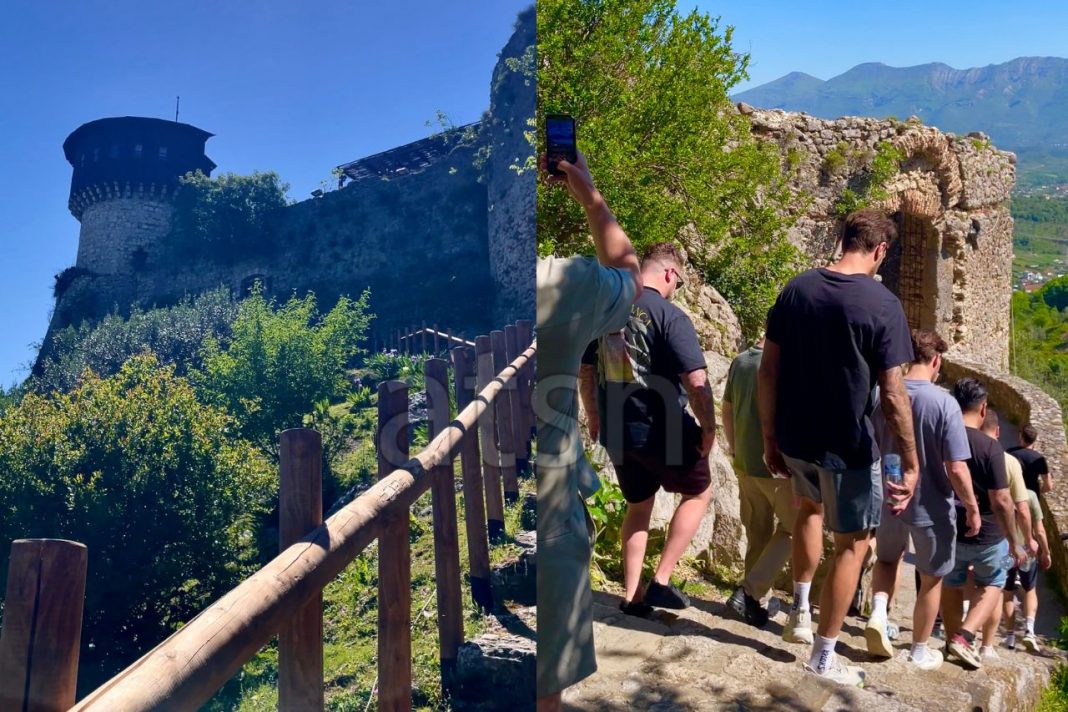
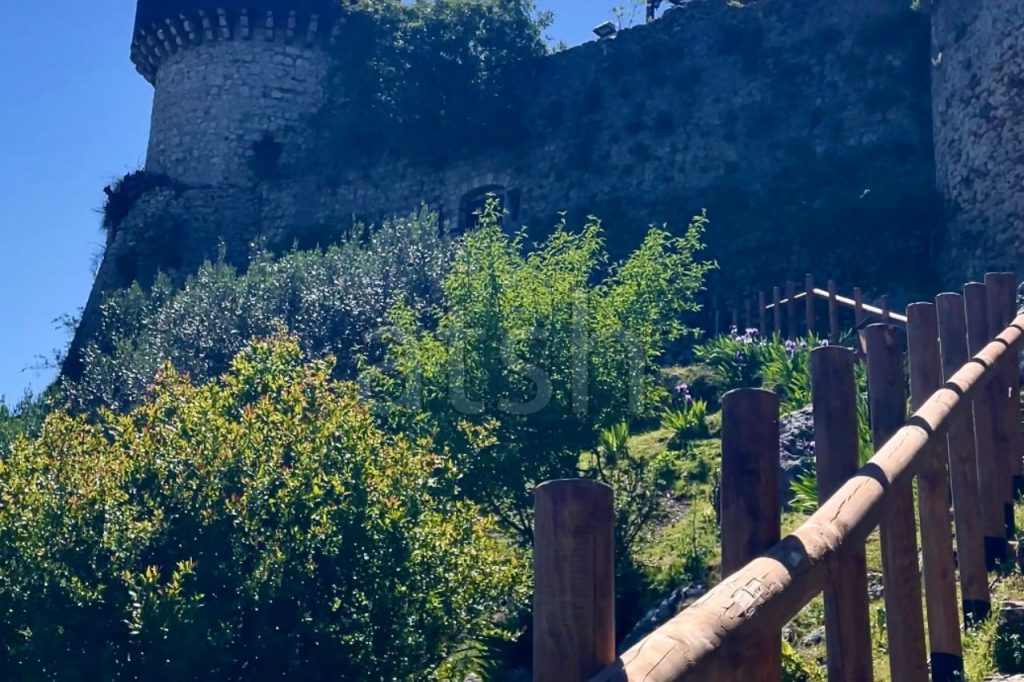
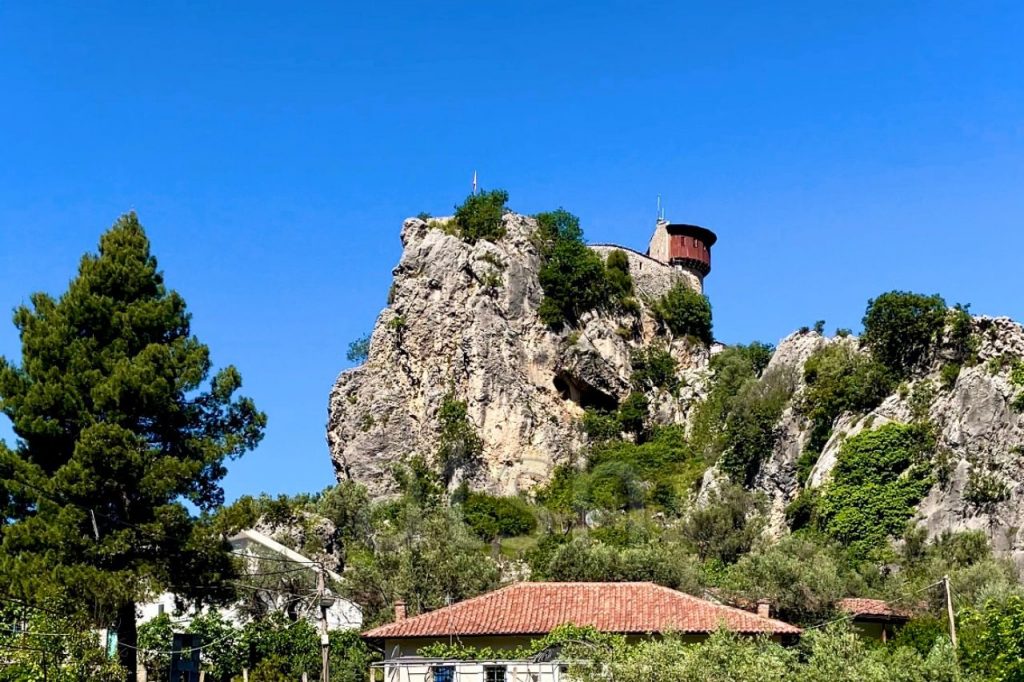
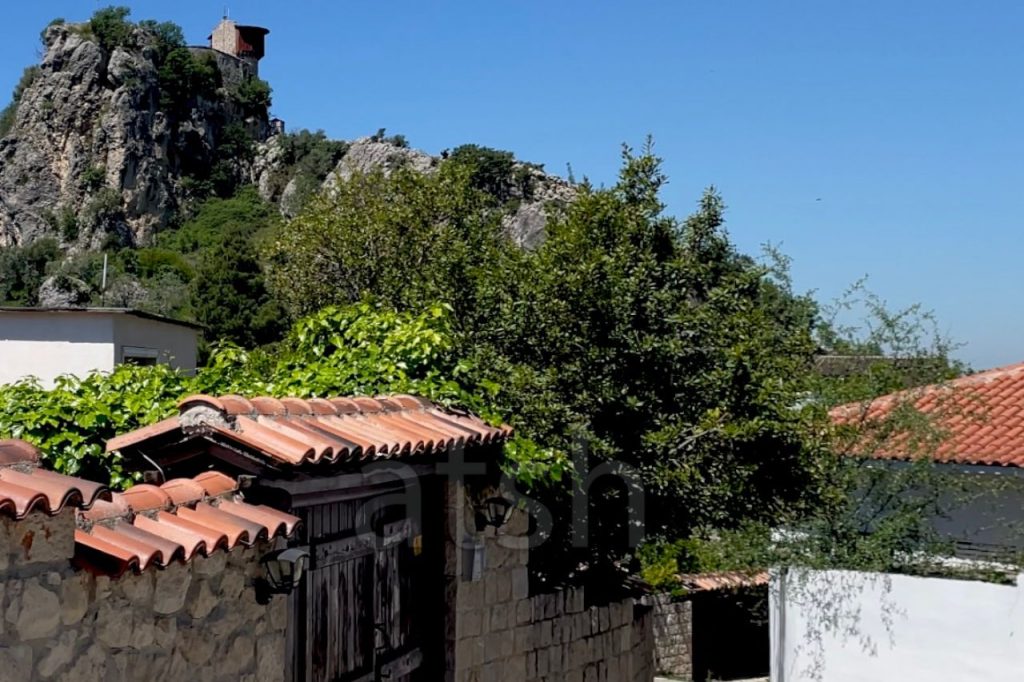
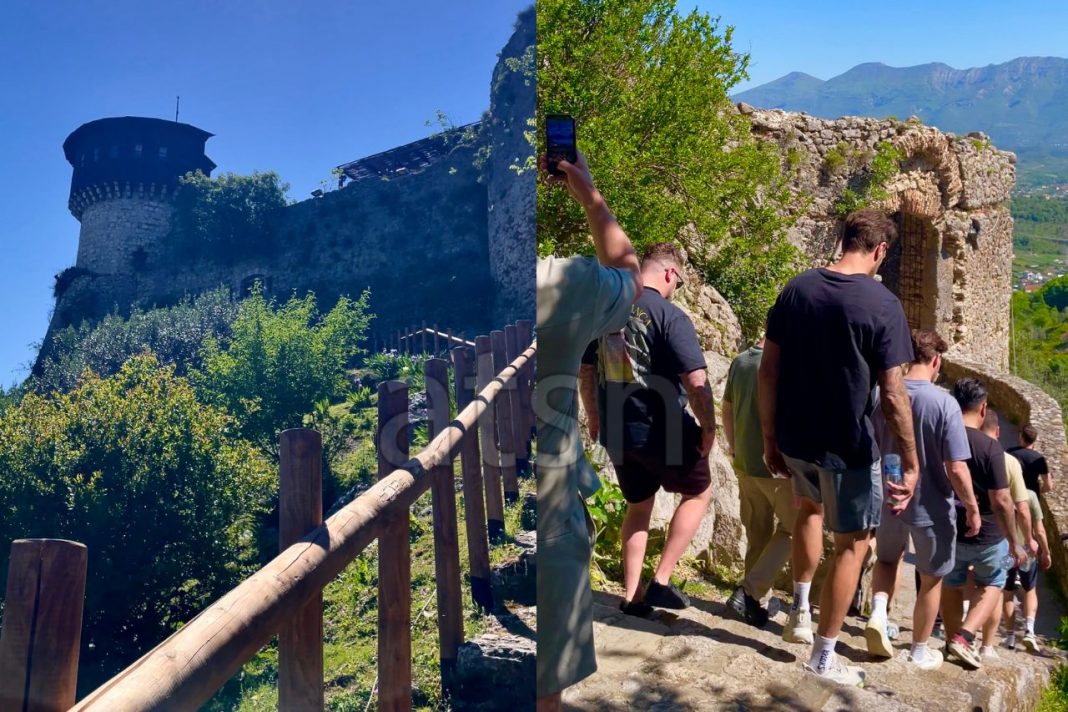
TIRANA, May 2 /ATA- By Marseda Qefalia/ – Just 17 kilometers from the center of Tirana, perched about 400 meters above sea level, Petrela Castle is increasingly attracting foreign tourists with its blend of natural beauty, historical heritage, and panoramic views.
Easily accessible by road, the medieval fortress has become a popular destination for visitors exploring the Albanian capital and its surrounding areas.
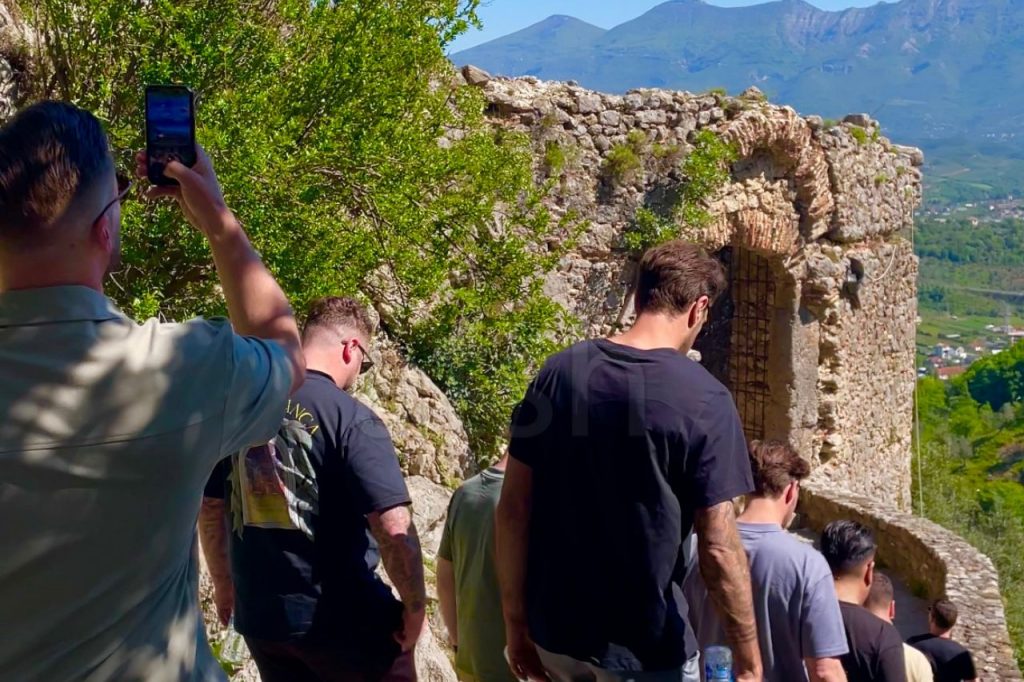
According to historians, the castle dates back to the 6th century AD during the reign of Byzantine Emperor Justinian I. Built atop steep rocky terrain, the fortress later became part of the defensive system of Kruja during the 15th century and is widely known as the castle once commanded by Mamica Kastrioti, sister of Albania’s national hero Gjergj Kastrioti Skanderbeg.
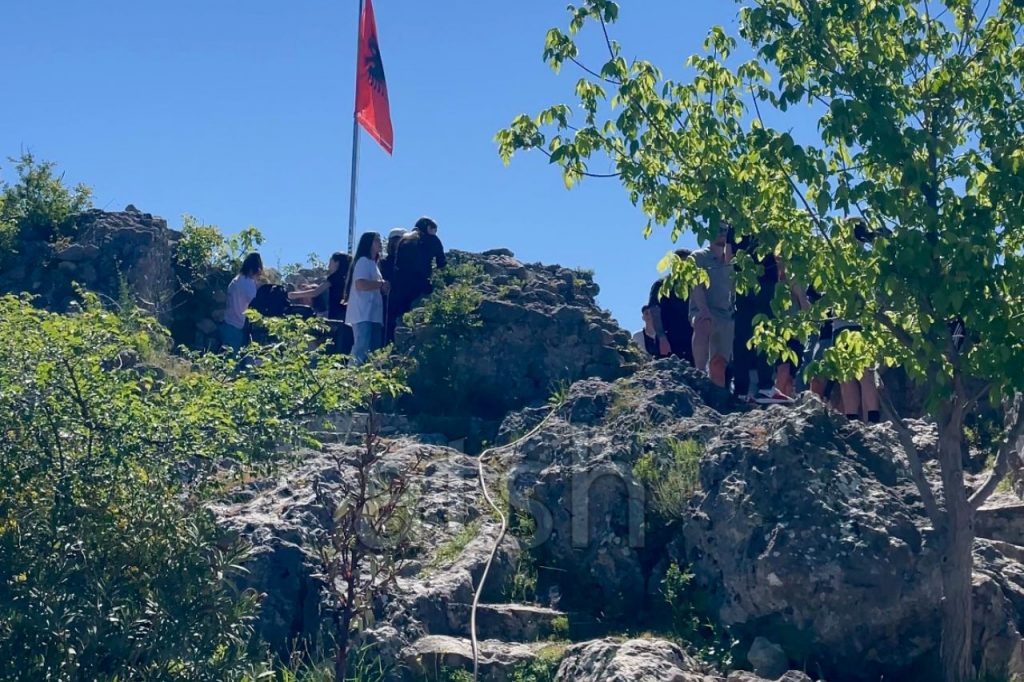
On weekends, the area comes alive with tourists from across Europe and beyond, many of whom include Petrela as part of their Albanian travel itinerary.
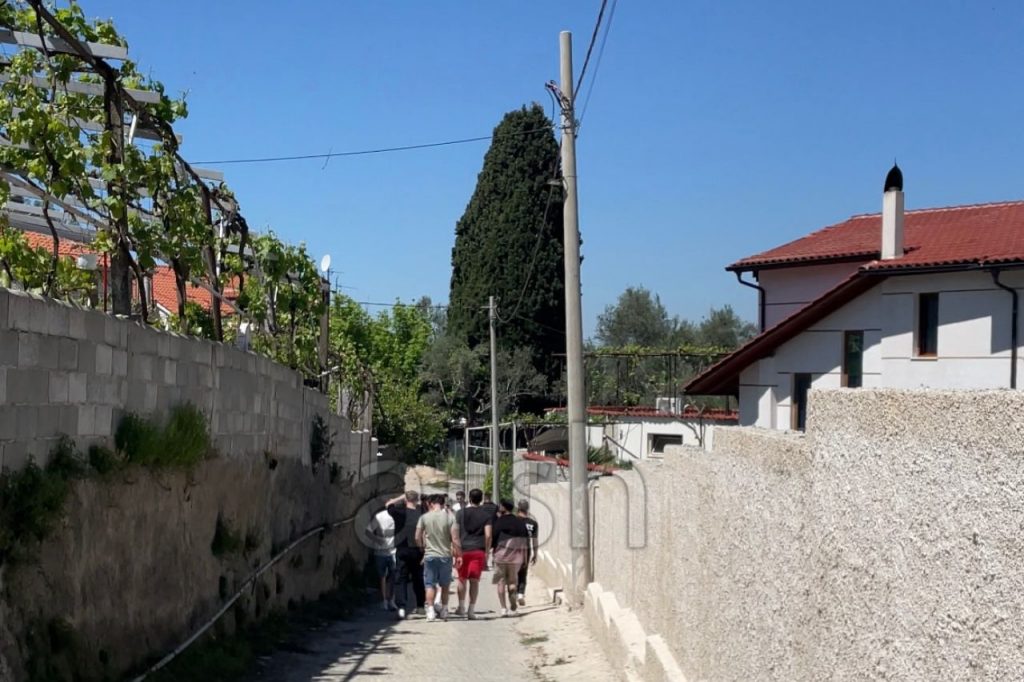
During a visit to the castle, a team from the Albanian Telegraphic Agency (ATA) met a group of young tourists from the Netherlands who praised the destination’s atmosphere and scenery.
“It’s very beautiful here – the nature is fantastic and the people are friendly. The view is amazing and the place gives you a real sense of peace,” one visitor said.
A tour guide accompanying the Dutch group told ATA that interest from foreign visitors has steadily increased in recent years. Alongside Petrela Castle, many tourists visiting Tirana are also choosing adventure tourism activities such as ziplining and excursions to natural attractions including Pëllumbas Cave.
Among the visitors were also two Italian tourists from Milan visiting Albania for the first time. Chiara and Lorenzo said they were impressed by the hospitality of local residents and the overall travel experience, adding that they planned to return again, particularly to explore Albania’s coastline.
“Albania is very beautiful and the people are incredibly kind. The nature is stunning,” they told ATA. “And the food is excellent. Even though Italy is famous for good food, we were pleasantly surprised. The people are super friendly, prices are affordable, and we will definitely come back.”
At the same time, groups of school students from Tirana visited the castle as part of educational tours aimed at learning more about Albania’s cultural heritage.
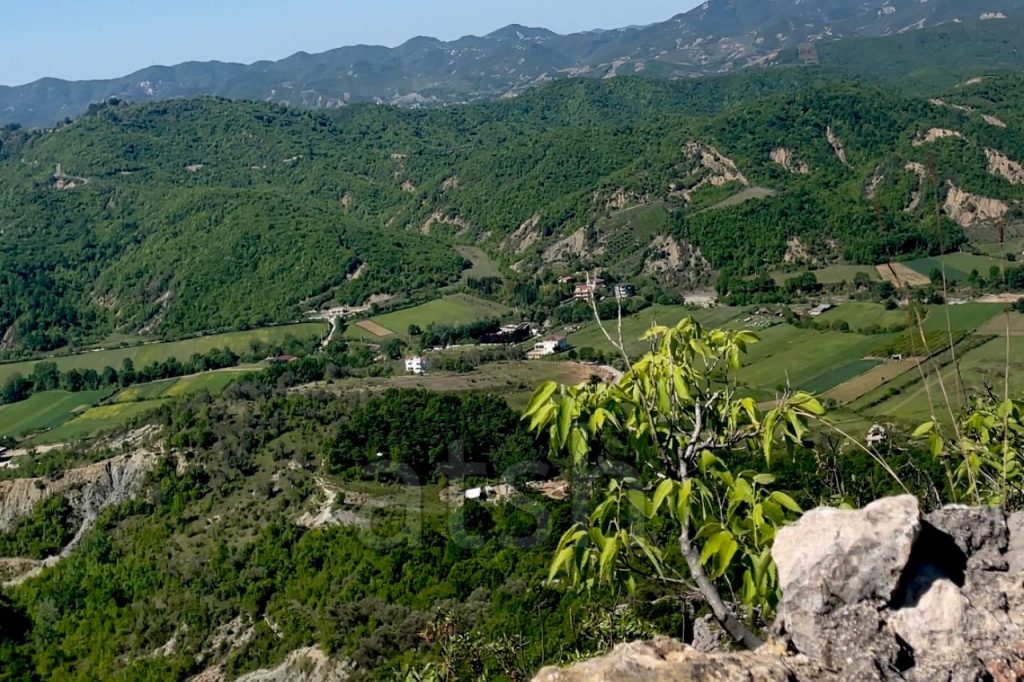
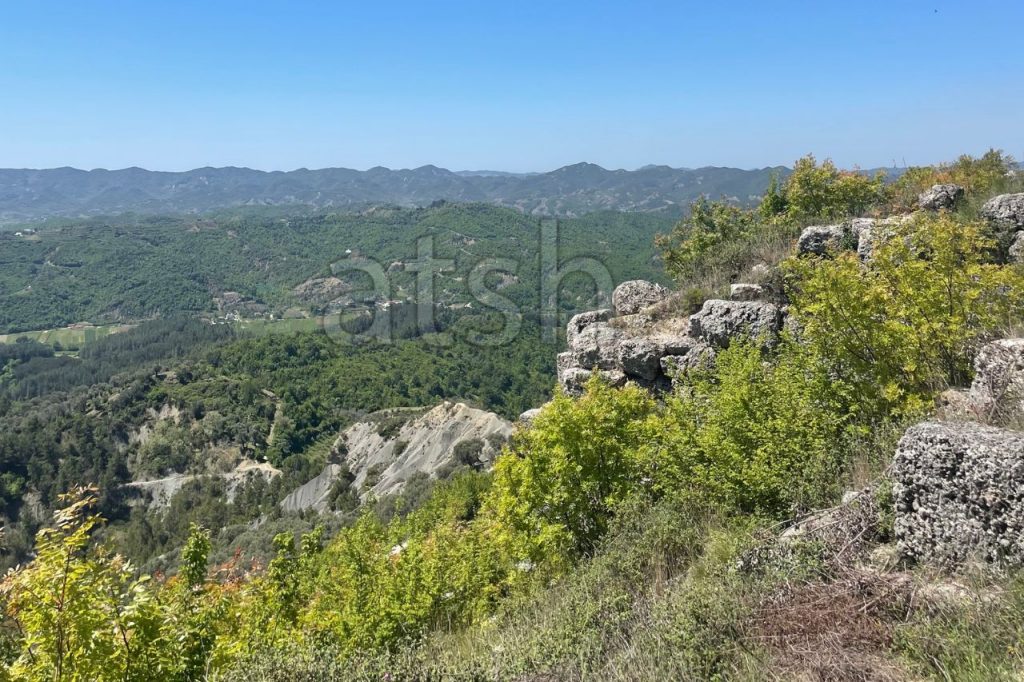
After climbing to the fortress, visitors often stop to enjoy the sweeping views over the Erzen River Valley and the surrounding green hills. Historically, the castle’s strategic location allowed control over the Durrës–Tirana–Elbasan branch of the ancient Via Egnatia trade route and provided visibility toward Kruja and the defensive fortification system around Durrës.
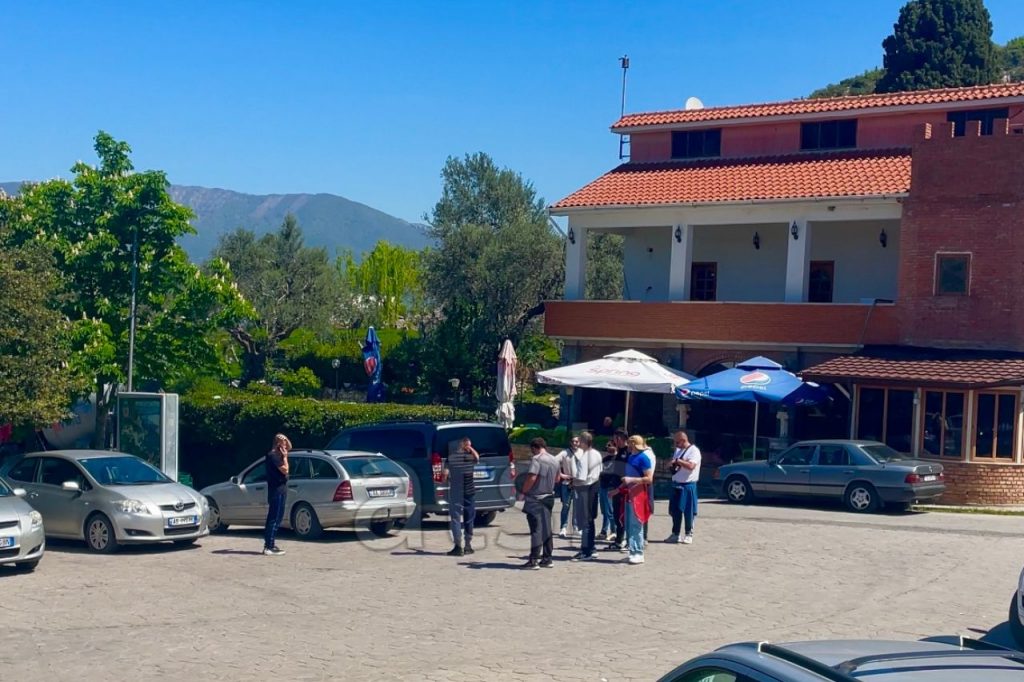
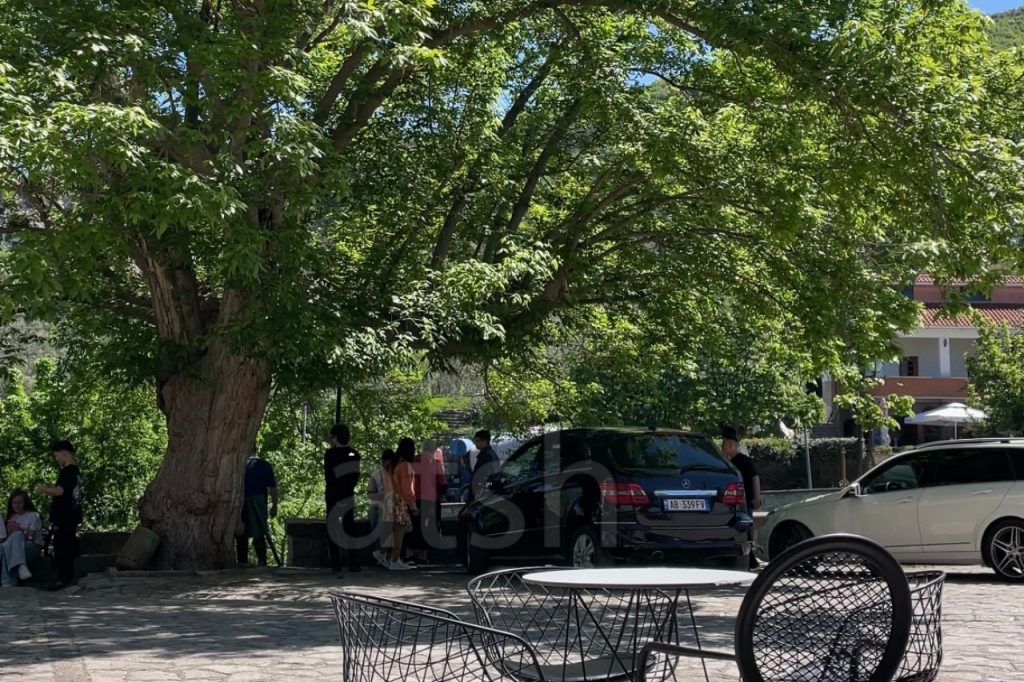
The growth in tourism is increasingly shaping daily life in the village as well. A café owner in the center of Petrela told ATA that visitor numbers have risen steadily in recent years.
“Tourists come not only for the castle, but also to visit the ancient Illyrian settlement of Persqop and its monumental tomb,” she said.
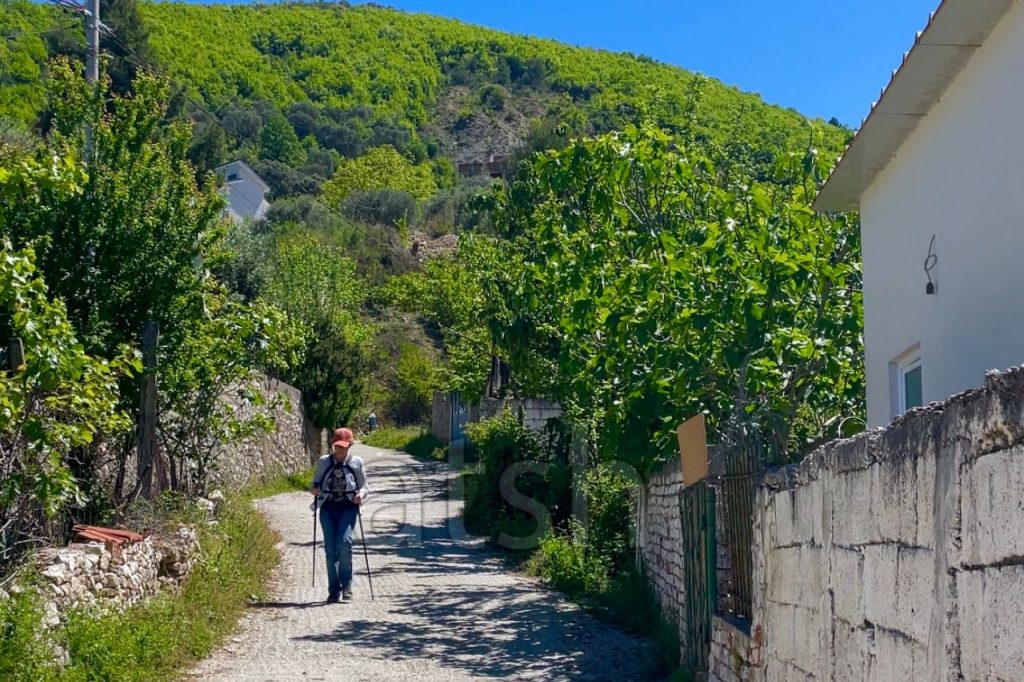
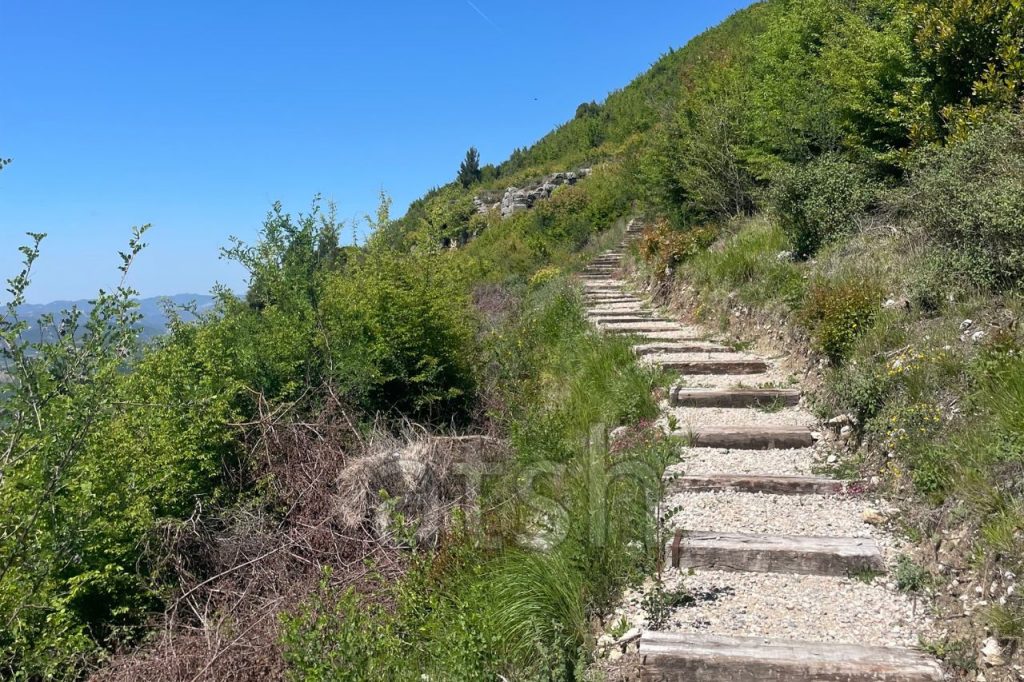
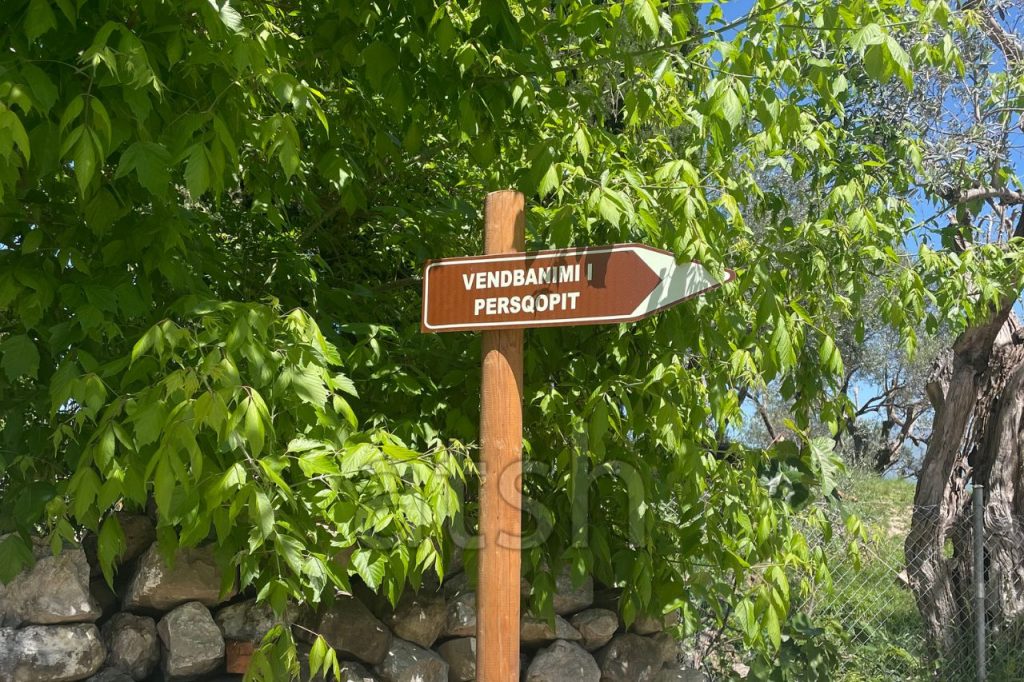
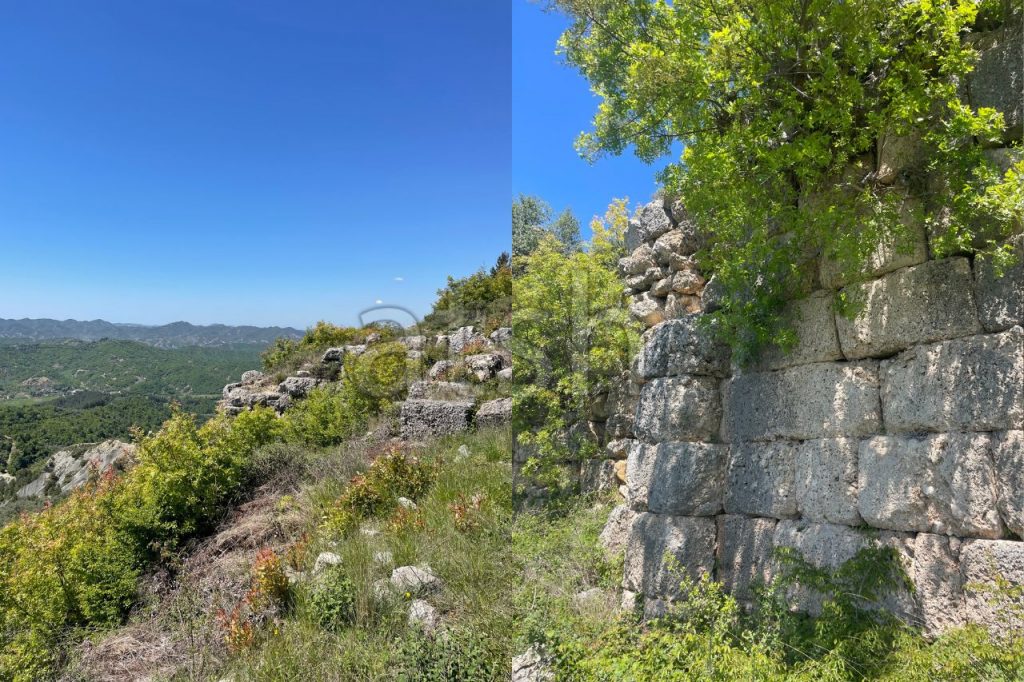
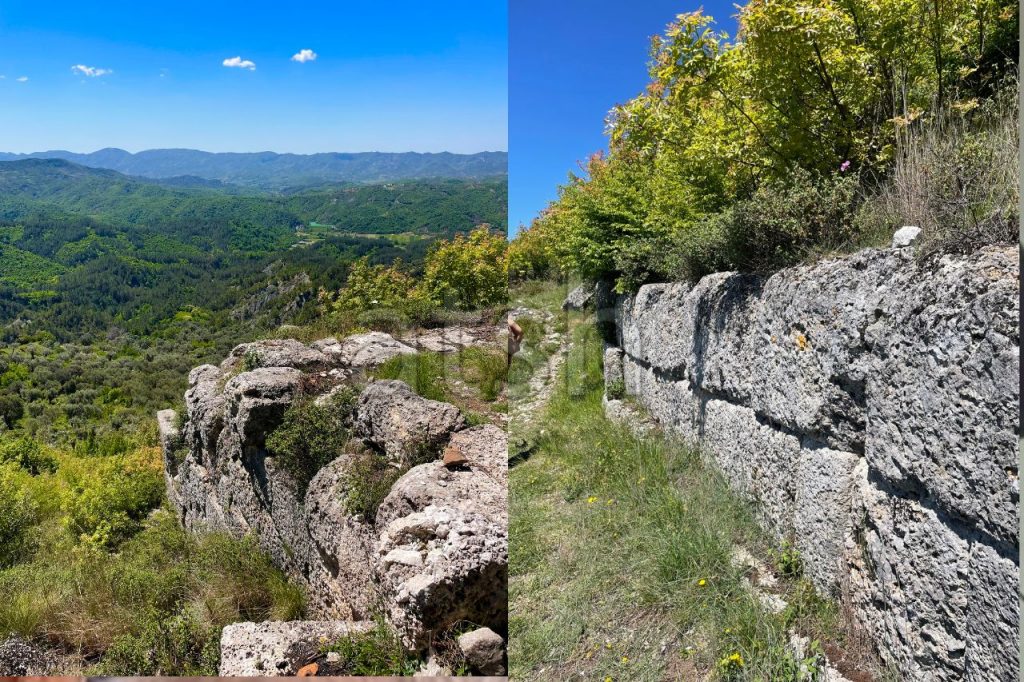
Located on the slopes of Mount Vilë, the ancient city of Persqop can be reached in around 20 minutes on foot from the village center and is also accessible by car. Informational signs guide visitors along the route.
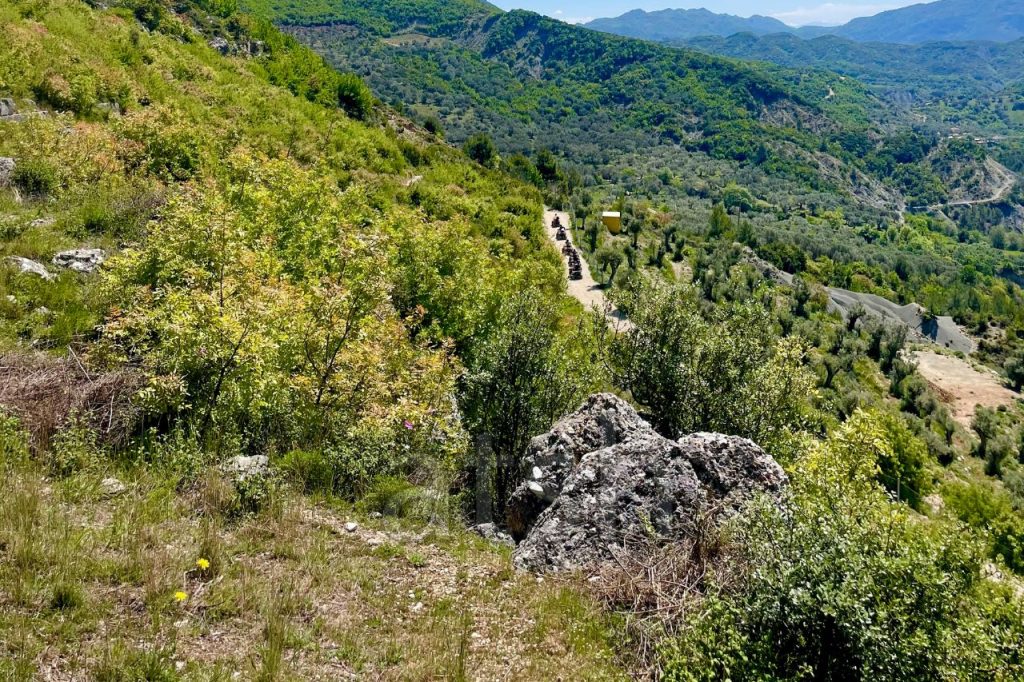
Some Italian tourists explored the area on small rental motorcycles provided by local residents, reflecting the growing popularity of adventure tourism in the region.
“One of the main reasons tourists come here is to enjoy nature and outdoor activities,” a local resident told ATA while accompanying a group of Italian visitors who had rented motorcycles to tour the area.
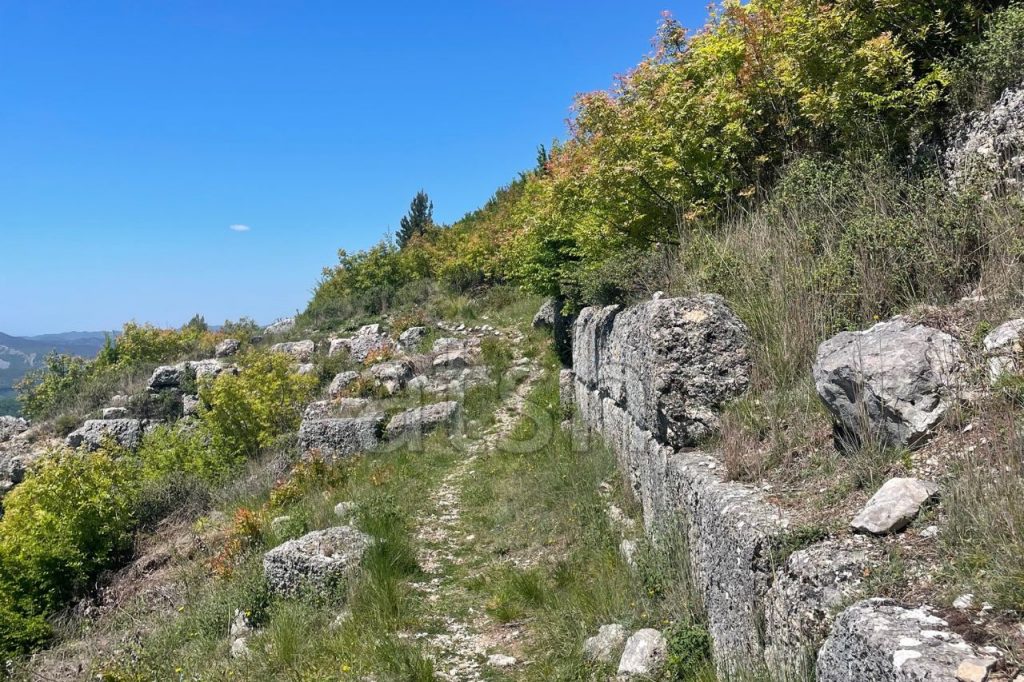
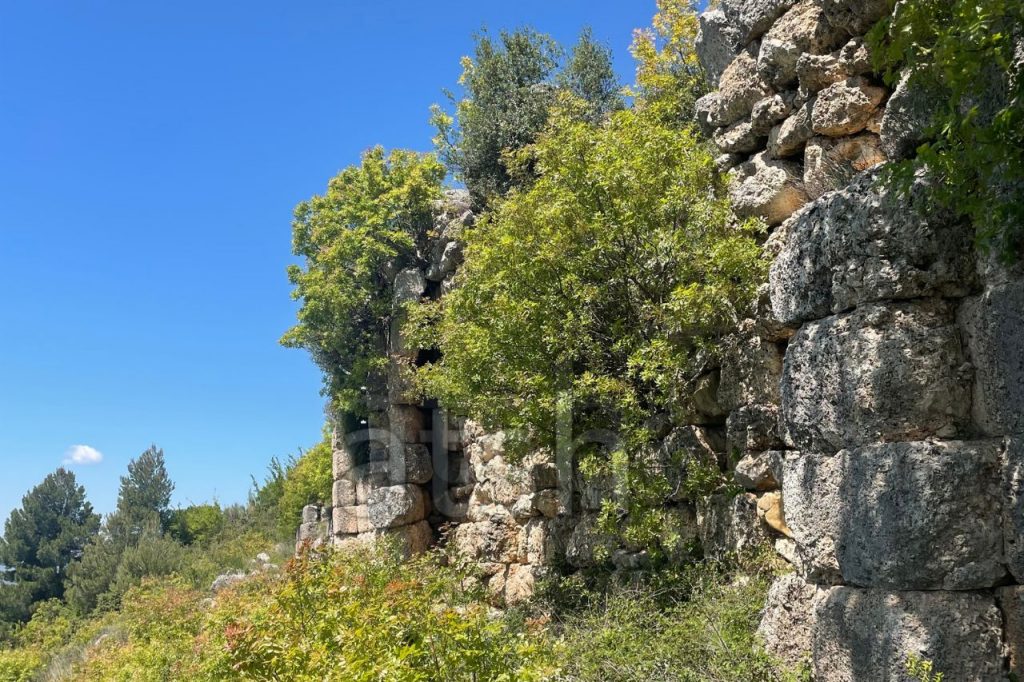
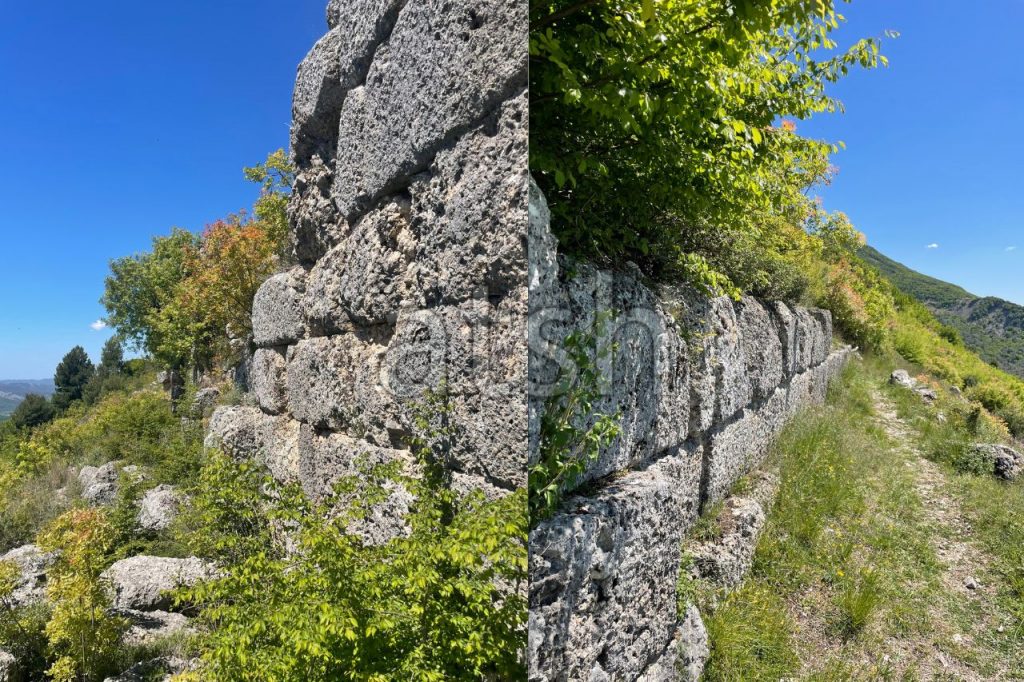
According to historians, Persqop dates back to the second half of the 4th century BC and is considered one of the important fortified settlements of southern Illyria and Epirus. The site includes the remains of what is believed to be the tallest surviving ancient fortification wall in Albania, stretching around 60 meters in length and rising up to 7 meters high.
Archaeological remains at the site also include traces of dwellings, a monumental tomb, and the remains of an ancient aqueduct system supplied by Mount Vilë.
Recognizing the tourism potential of the area, local residents have increasingly invested in restaurants, cafés, and accommodation facilities, contributing to higher incomes, job creation, and the development of agritourism. Some families have also returned to restore old homes and traditional buildings.
As visitor numbers continue to grow, Petrela is steadily strengthening its position as one of the most important tourism destinations near Tirana, offering a combination of history, nature, adventure, and local hospitality.
/m.q/j.p/r.e/u.sh/