TIRANA, April 11 /ATA/ – The tourist village of Voskopoja, in southeastern Albanian region of Korça, remains one of the Balkans’ most important historical, cultural and artistic centres, widely regarded as a jewel of both Balkan and European heritage.
Located around 21 kilometres from the city of Korça, Voskopoja is part of the region’s broader tourism offer. In winter, its snow-covered landscape frames the village’s natural scenery, while in summer it becomes a destination for adventure sports. The mountain village offers year-round opportunities for cultural and historical exploration, with each season providing a distinct experience.
A defining feature of Voskopoja is its religious heritage, particularly its historic churches. Among the most notable are the Church of St. Nicholas, St. Mary, St. Elijah, the Monastery of St. Prodhromos, St. Athanasius and St. Michael. These are classified as first-category cultural monuments and have been consistently preserved and restored due to their architectural and historical value.
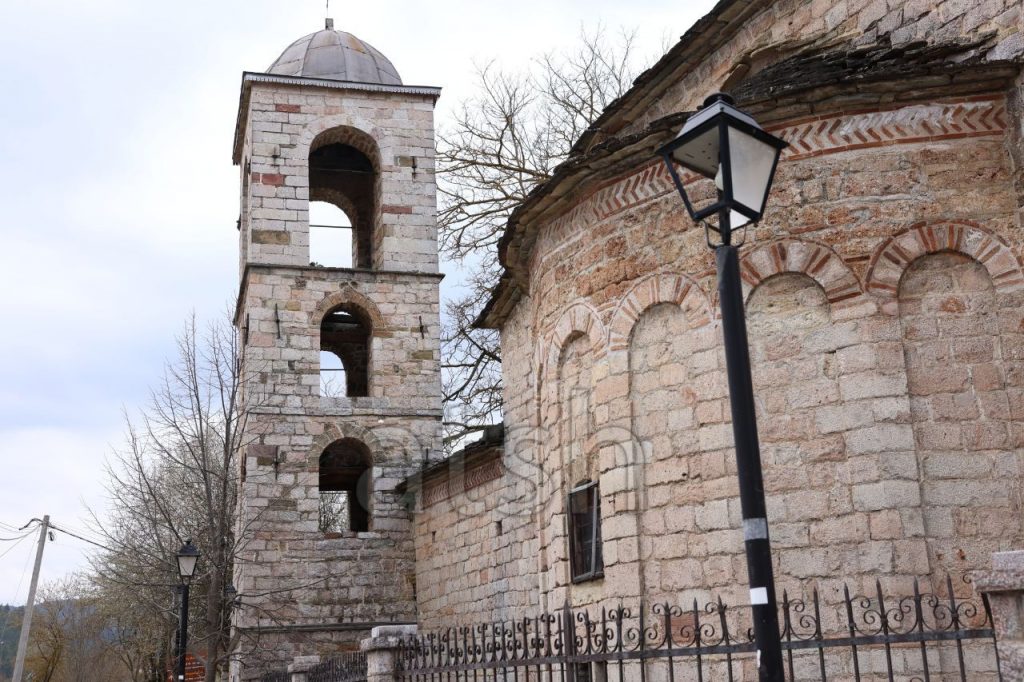
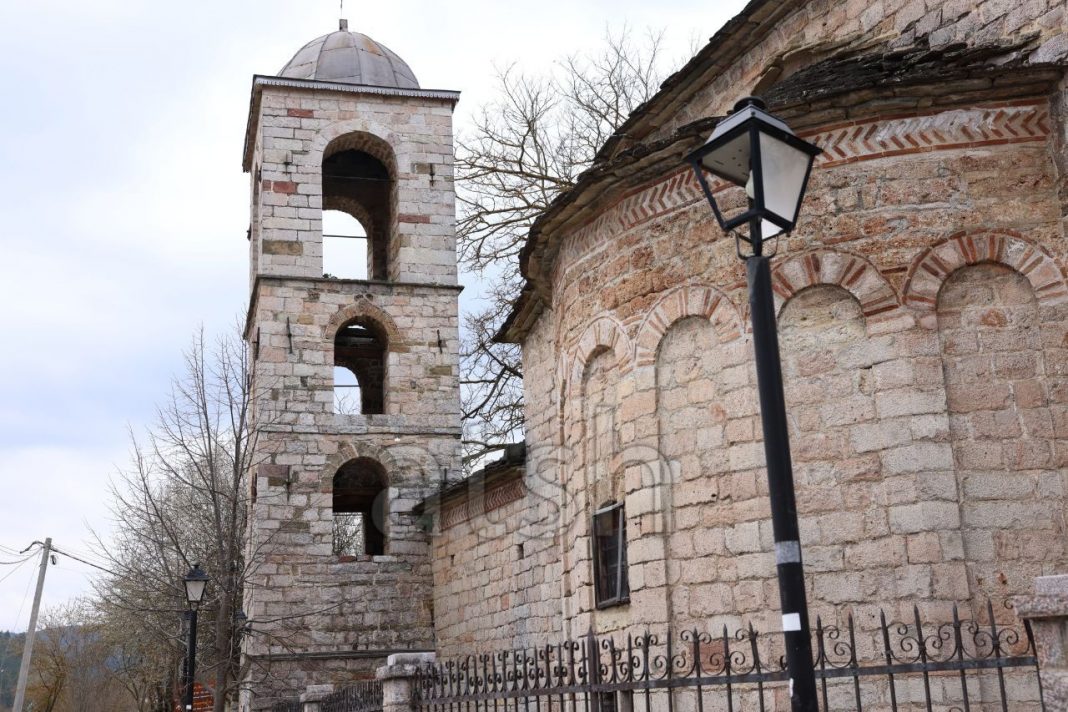
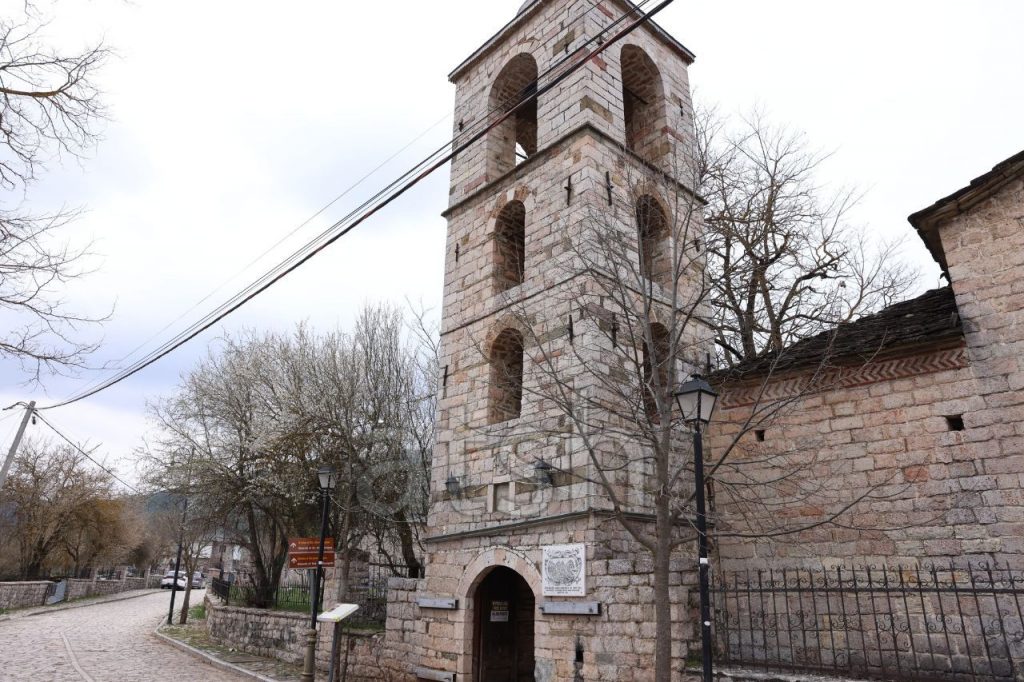
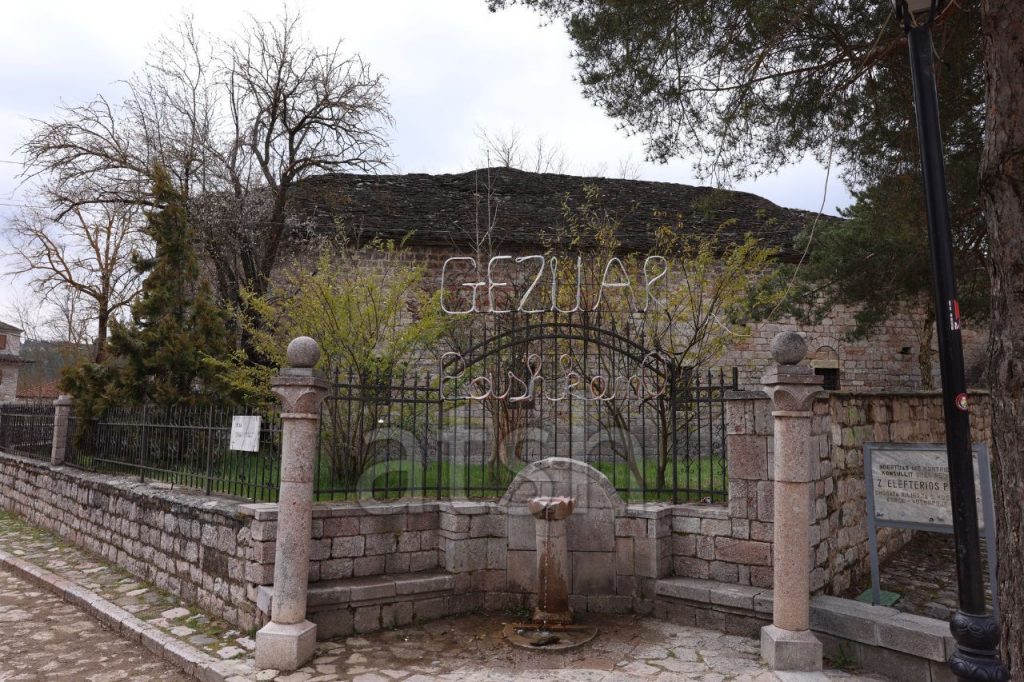
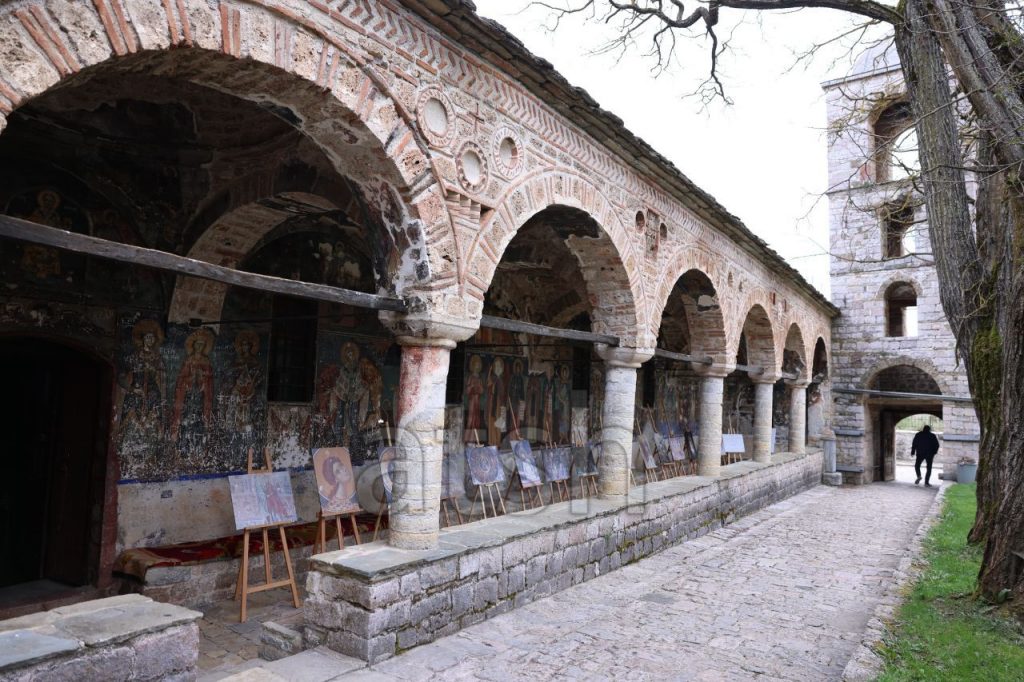
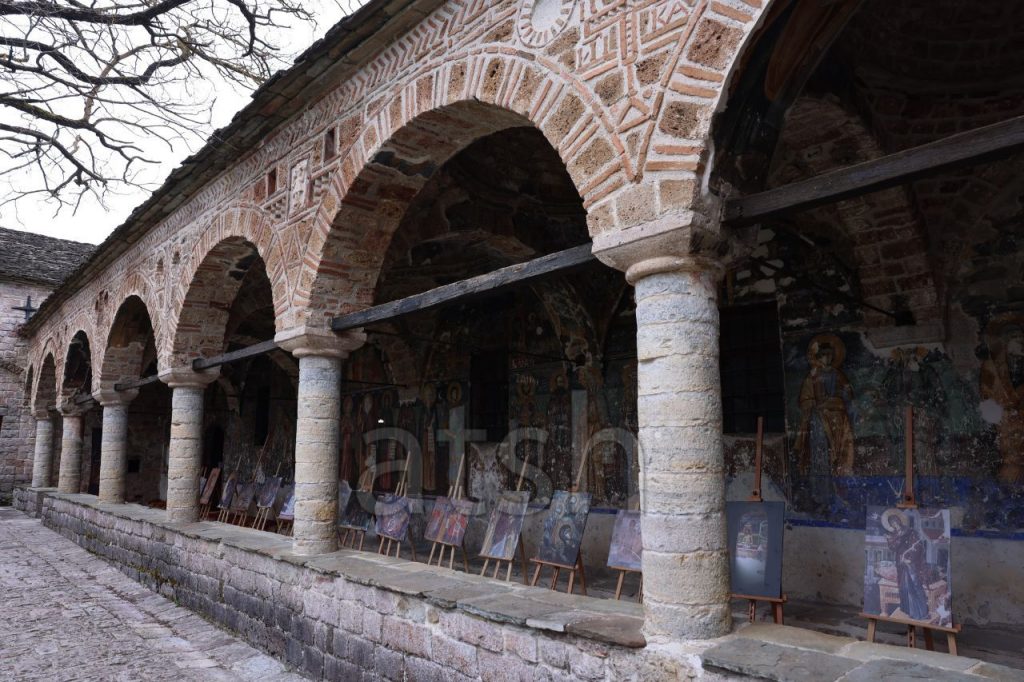
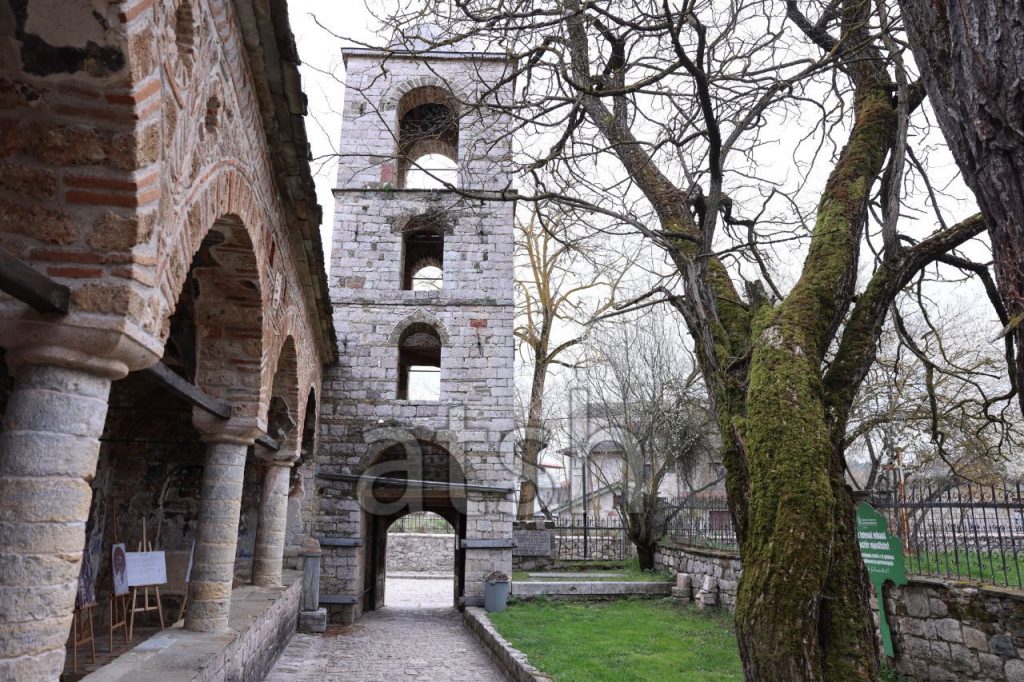
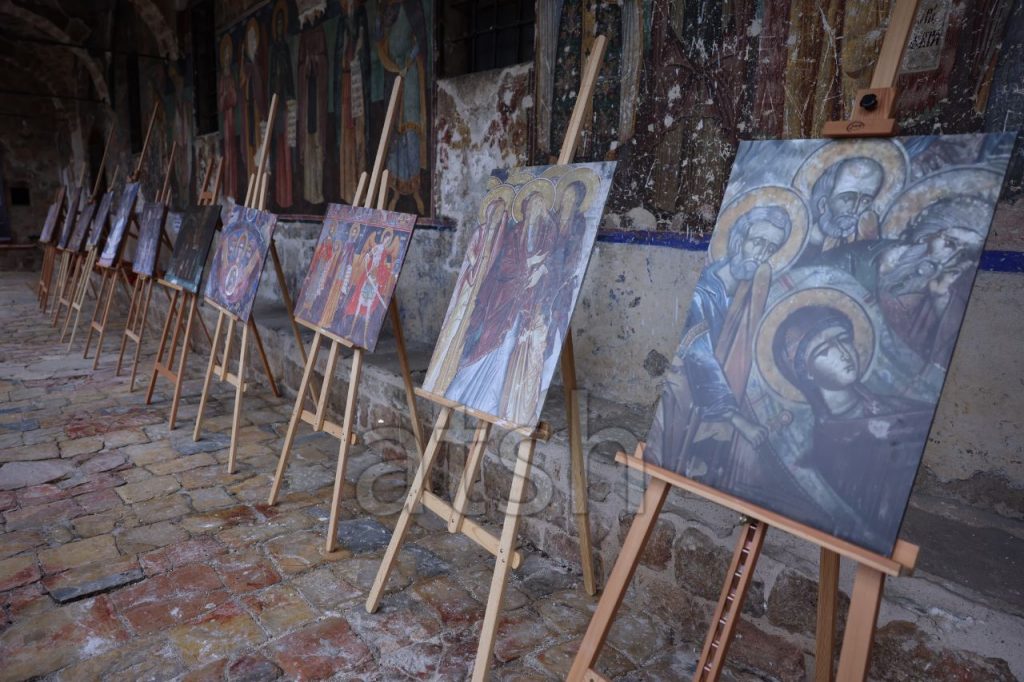
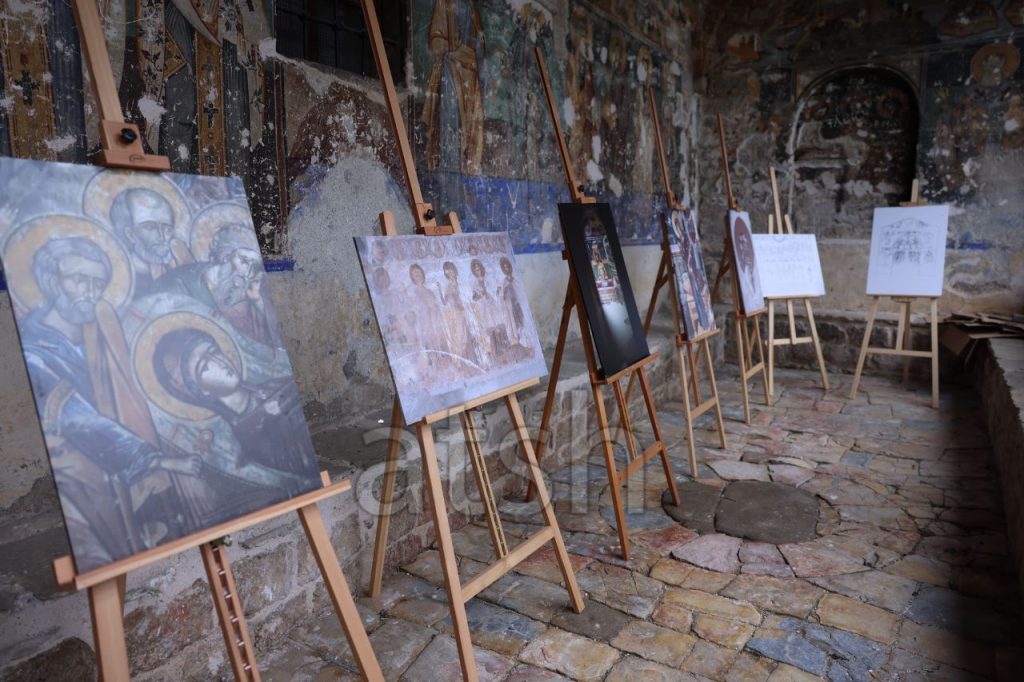
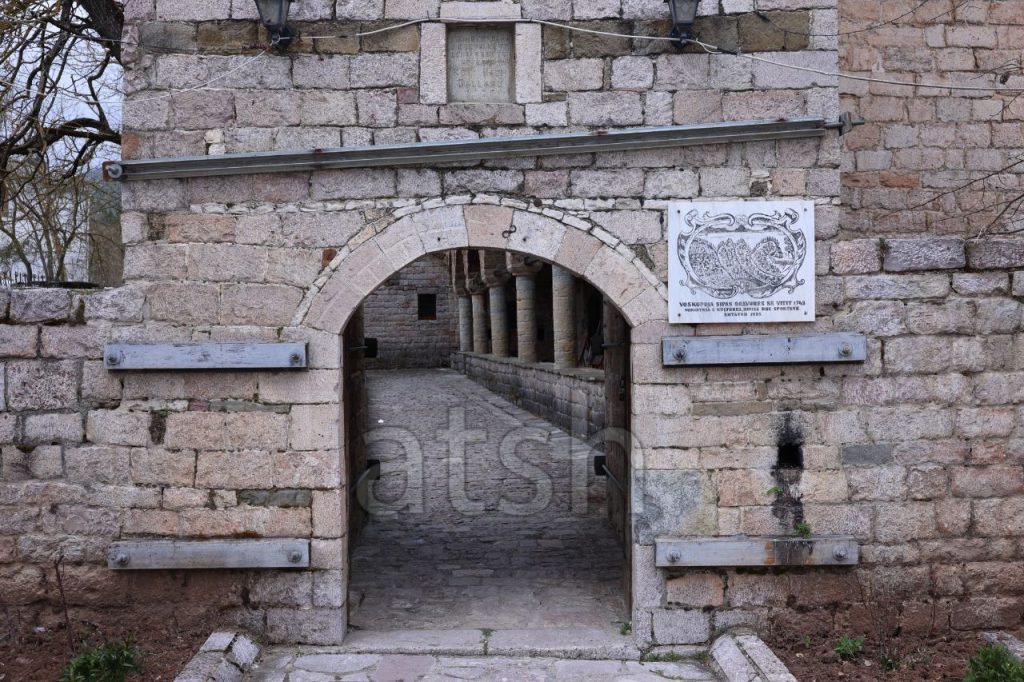
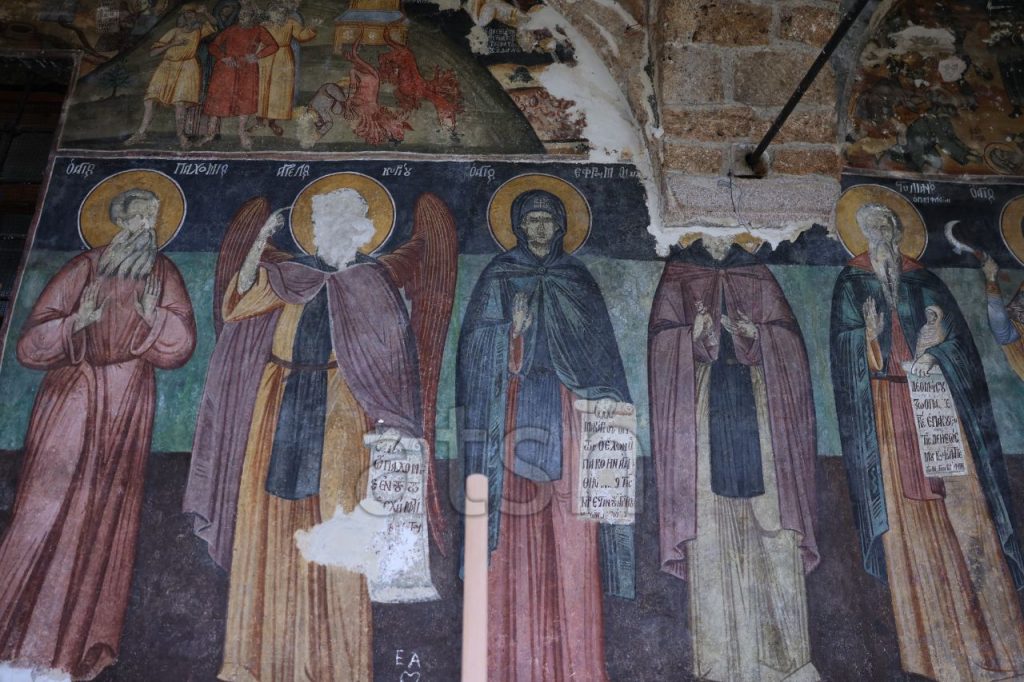
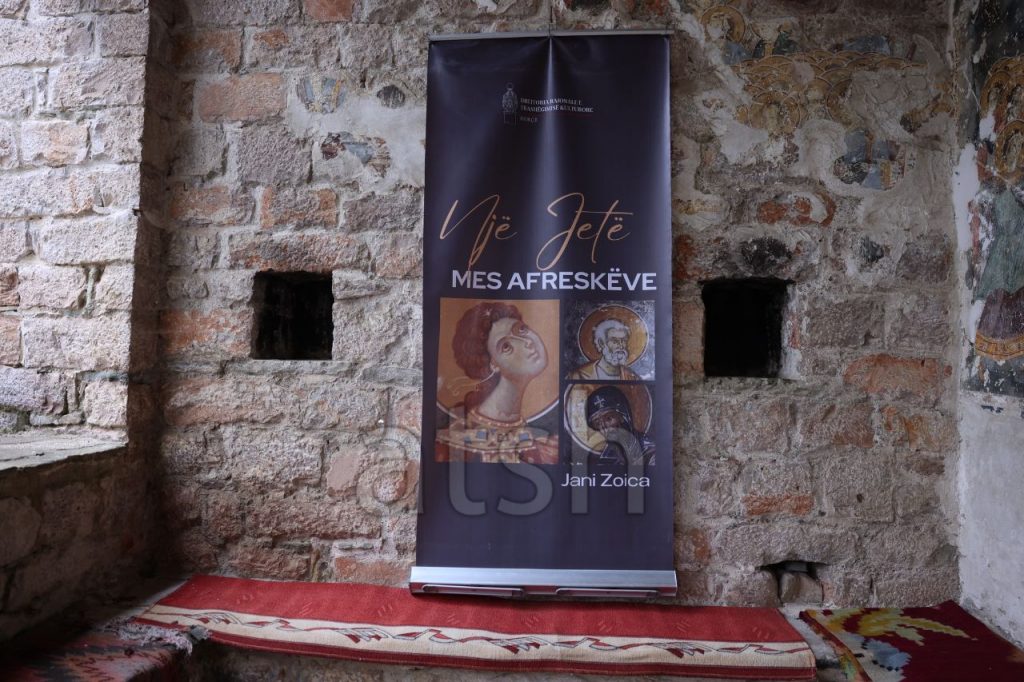
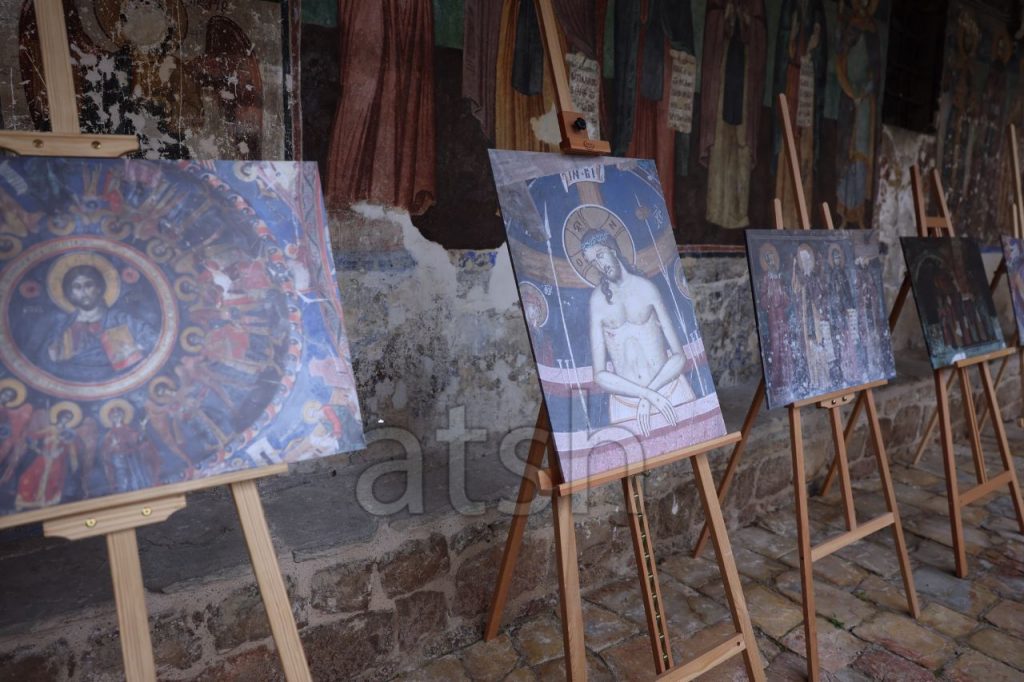
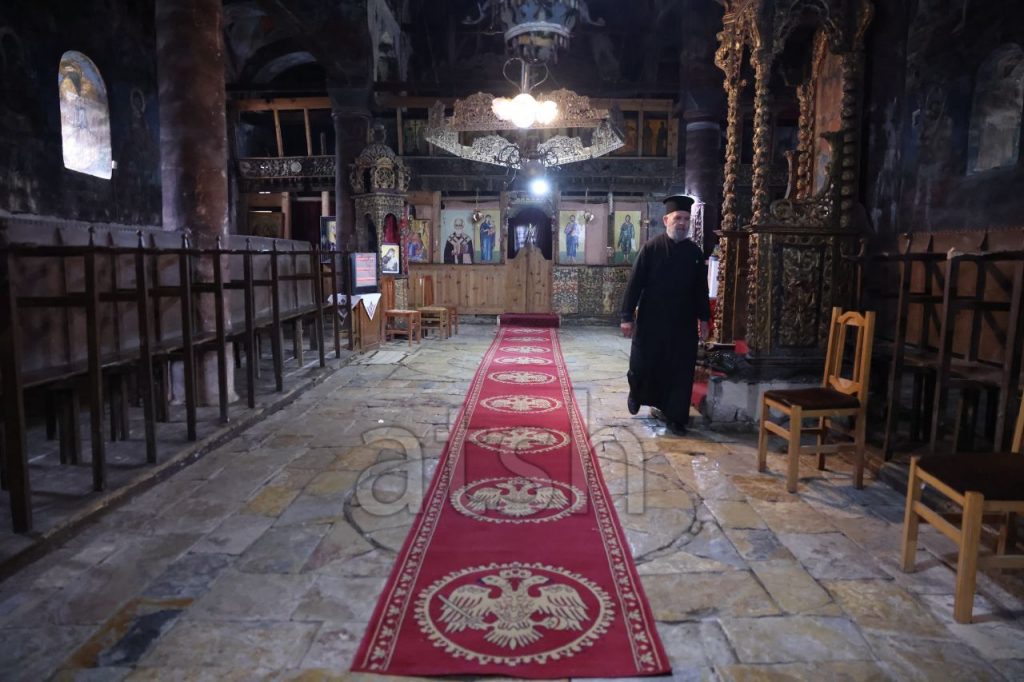
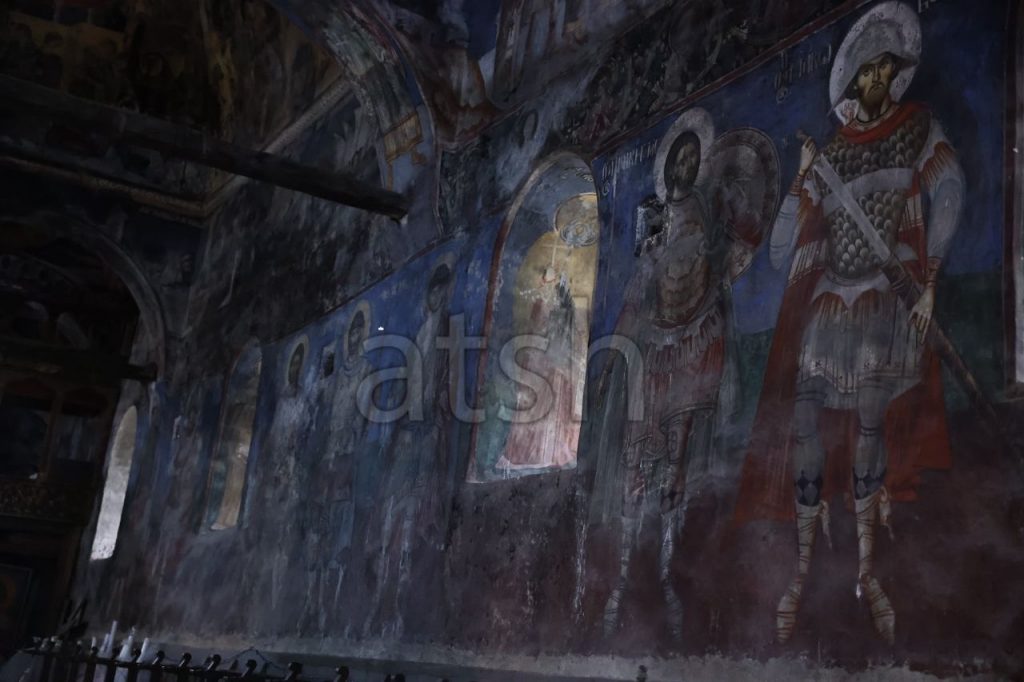
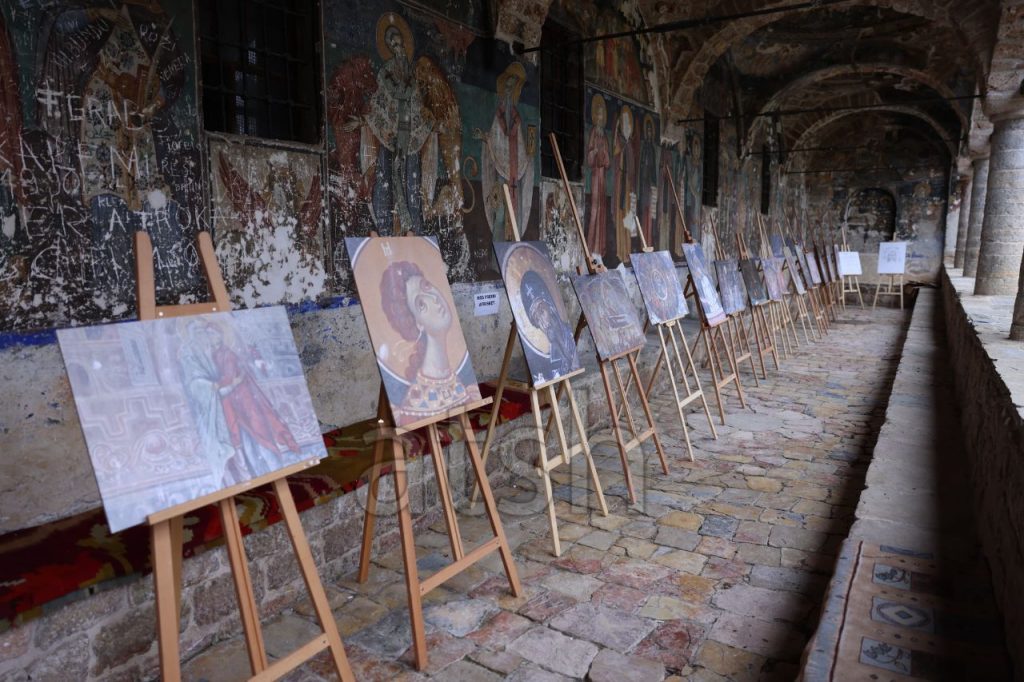
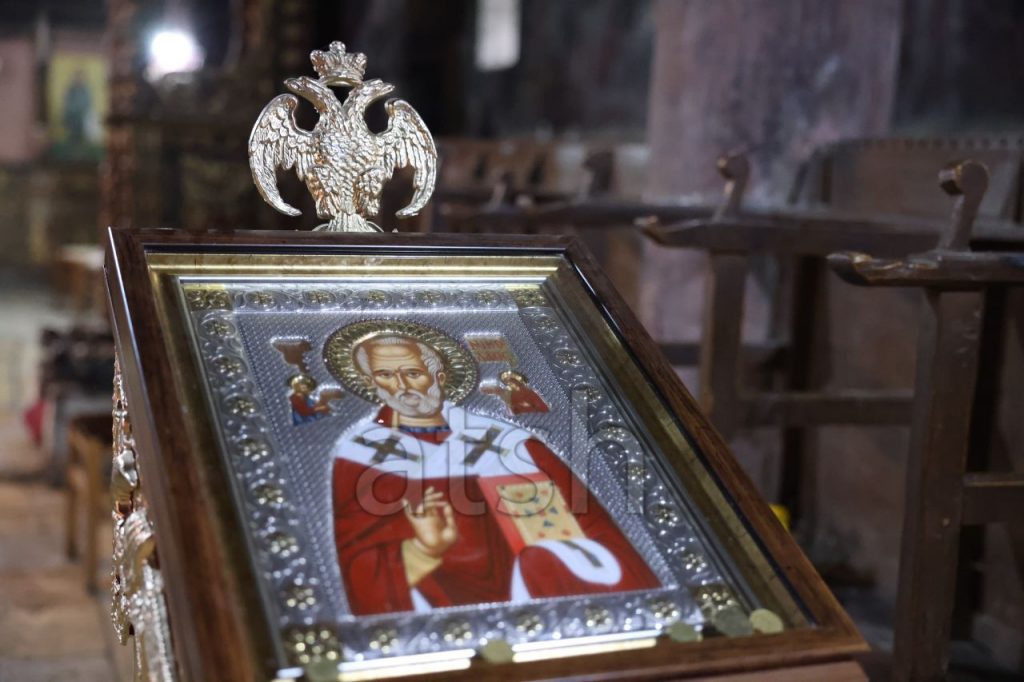
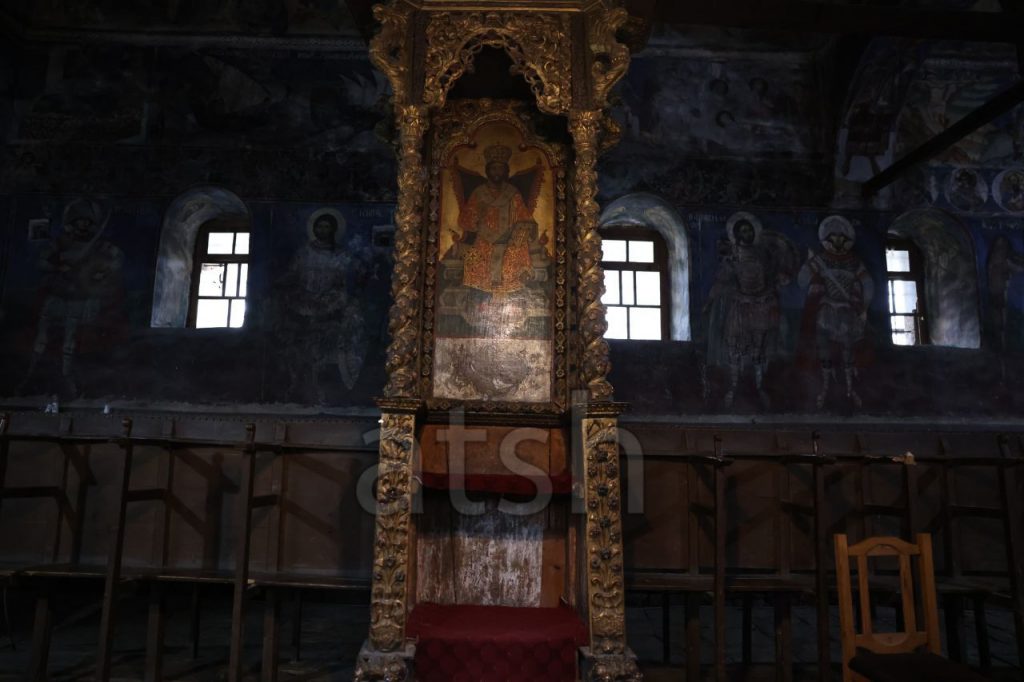
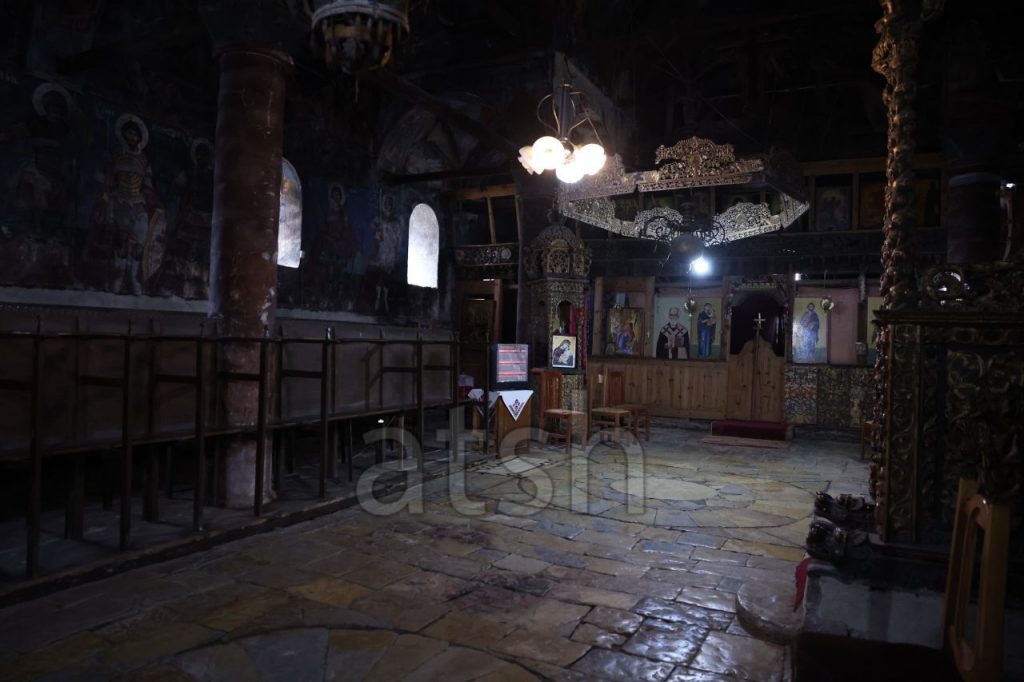
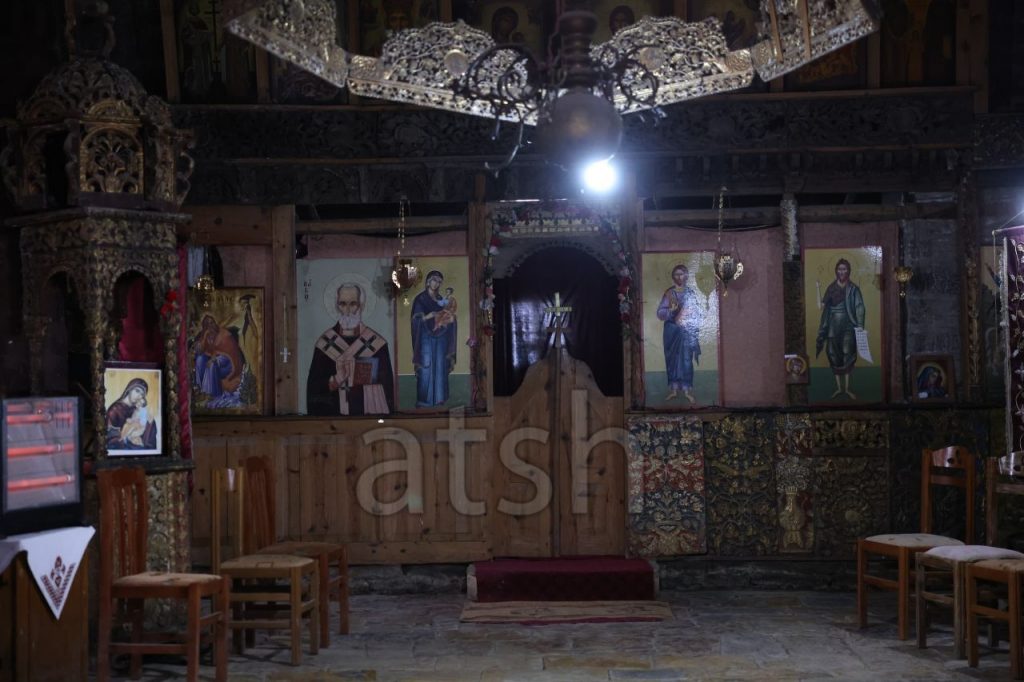
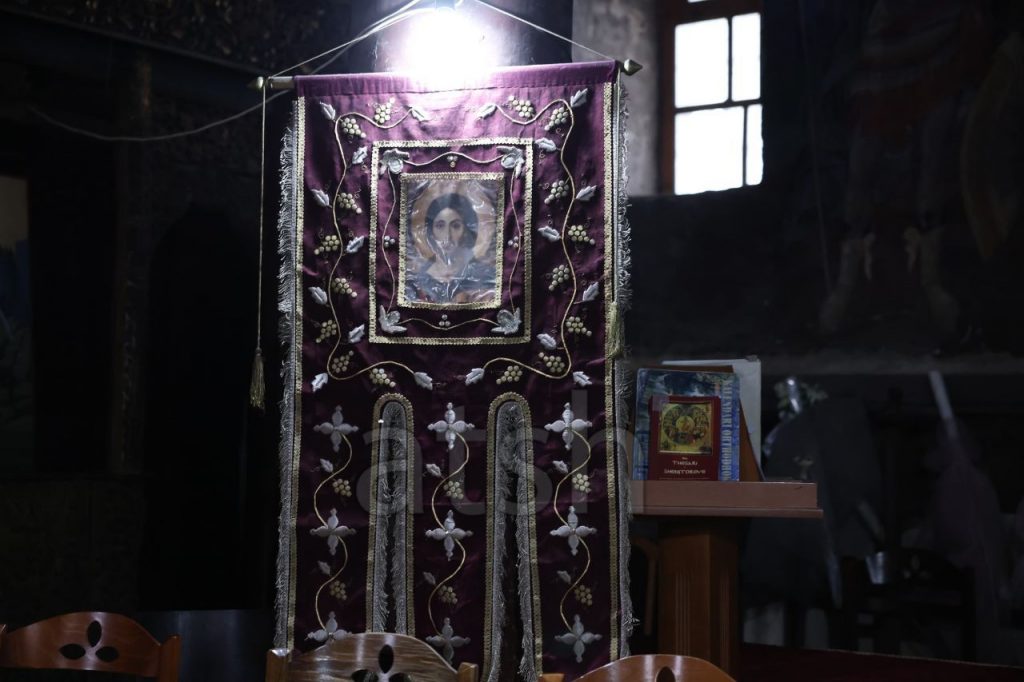
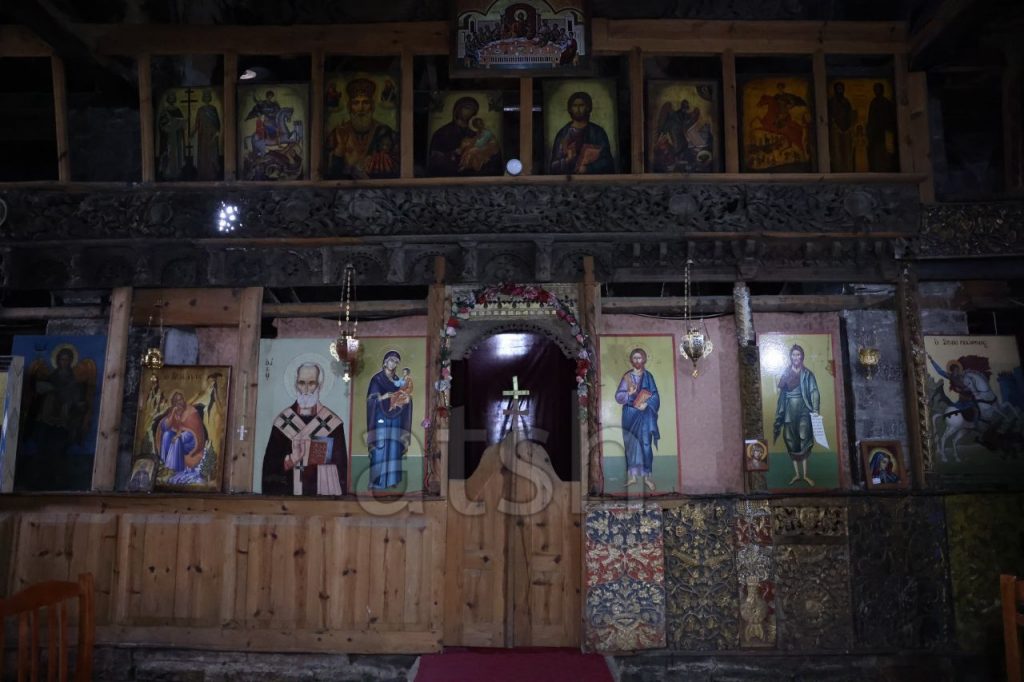
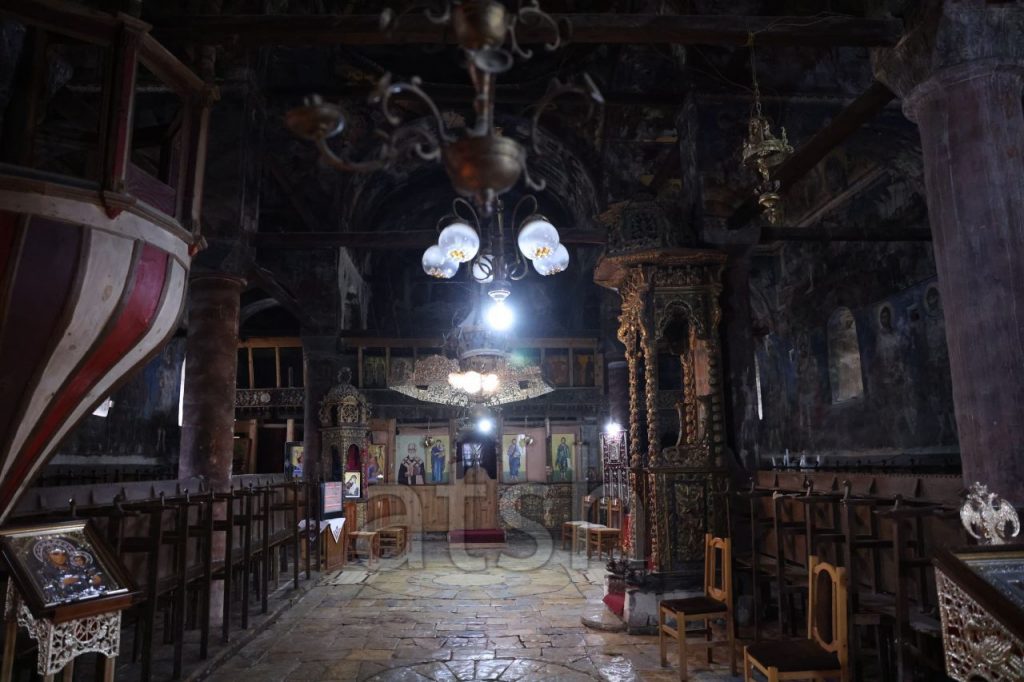
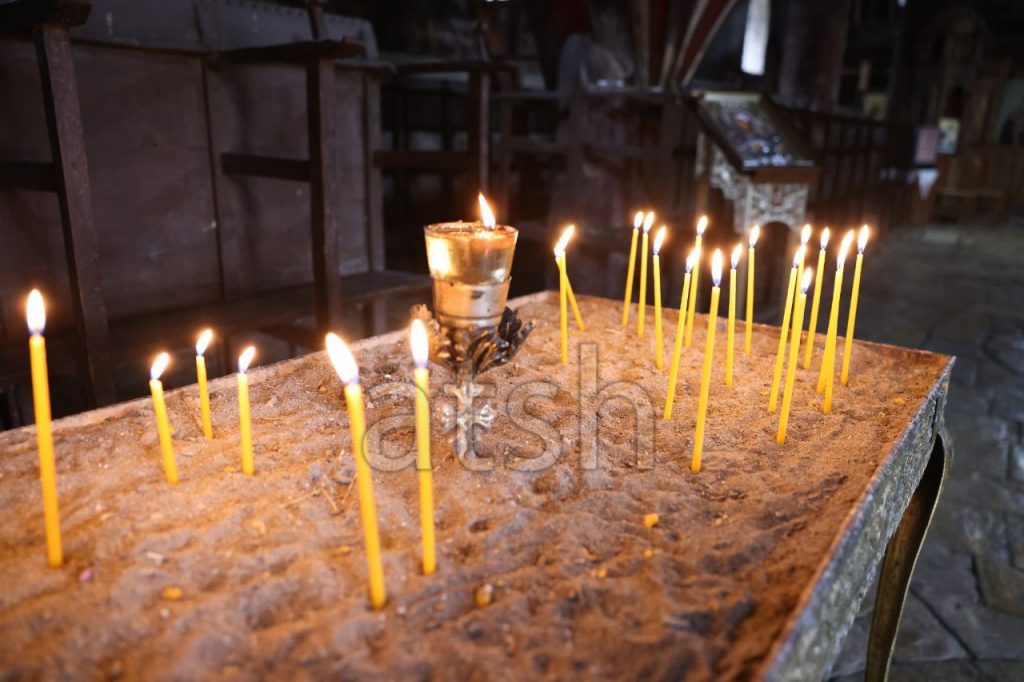
The Albanian Telegraphic Agency (ATA) offers images from the Church of St. Nicholas, one of the most significant monuments of national cultural heritage, which continues to attract an increasing number of visitors each year.
The Church of St. Nicholas is considered the most important in Voskopoja in terms of its post-Byzantine basilica-style architecture. It was constructed between June 1721 and September 1722, while its bell tower was built at a later stage. It was declared a first-category cultural monument in 1948, reflecting its exceptional architectural and artistic significance.
Located in the centre of the village, the church is a key testament to Voskopoja’s historical importance. It includes all the main architectural elements of a post-Byzantine Basilica: nave, narthex, arcade and bell tower.
The nave was painted around 1726 by David Selenica, one of the most prominent iconographers of the 18th century, in the traditional Paleologan artistic style, also known as the Macedonian school. The arcade was later painted around 1750 by the Korça-born Zografi brothers, Athanas and Kostandin, who depicted numerous scenes from the Apocalypse cycle. Their work at St. Nicholas is distinct from similar cycles in other churches, including St. Athanasius, reflecting independent artistic interpretation.
In 1960, the arcade suffered significant damage following a strong earthquake, shifting approximately 28 centimetres from the nave. A major restoration campaign carried out in 1962 by the Institute of Cultural Monuments successfully stabilised and restored the structure.
The church’s iconostasis was crafted between 1722 and 1726 by master artisan Kostandin Ieromonaku, one of the leading icon painters of the early 18th century. Today, part of the original icons is preserved at the National Museum of Medieval Art in Korça.
Beyond its natural beauty and winter activities, Voskopoja also offers traditional cuisine, including local specialties such as lakror and other dishes prepared with organic regional products.
/u.sh/