TIRANA, October 13 /ATA/ – The COVID-19 pandemic as a major health crisis and other recent emergencies have shown that no one is ever fully prepared. That is why one of the key lessons learned in preparing for, and responding to health emergencies, is to continue strengthening our emergency preparedness capabilities to respond effectively when an actual emergency occurs.
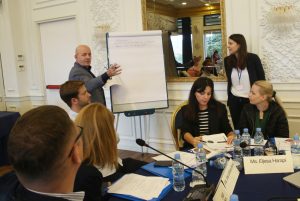
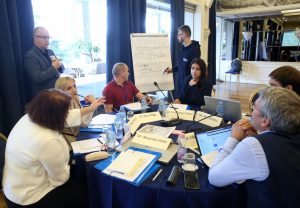
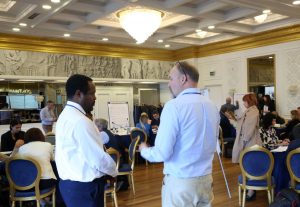
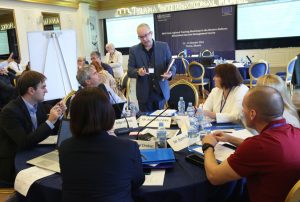
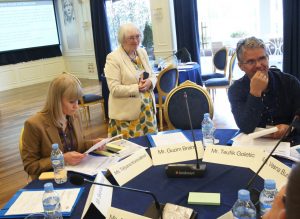
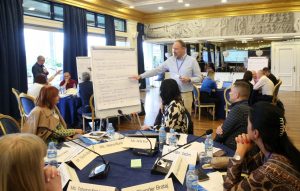
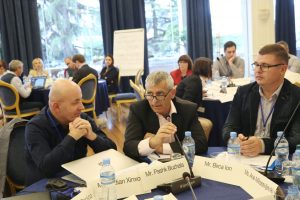
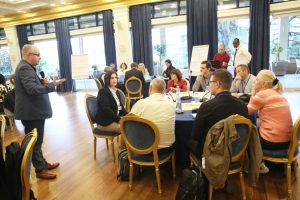
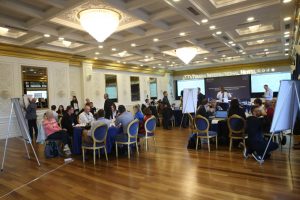
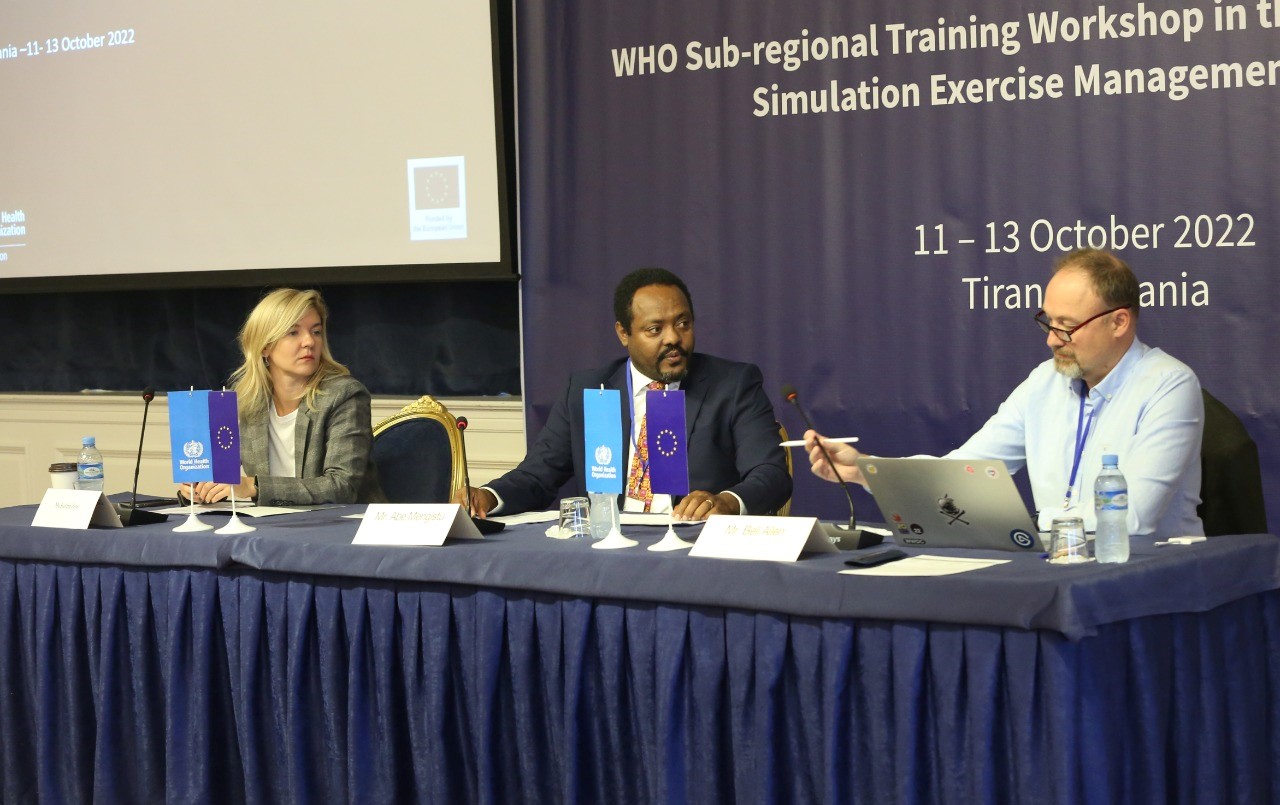
The 3-day training sub-regional WHO-run “Simulation Exercise Management Course”, which took place in Tirana, Albania, aimed to improve capabilities in this area. The workshop, which was organized by WHO with the generous financial support funded by the “EU DG NEAR Project on Strengthening Health Systems Resilience in the Western Balkans,” aimed at introducing the WHO methodology for planning and managing simulation exercises.
In emergency preparedness, in which action, funding, partnerships and political commitment at all levels must be sustained, it is essential that national stakeholders are made aware of all possible risks and threats.
In keeping with the WHO’s tools and guidance documents, the first comprehensive simulation exercise (SimExs) training workshop included 35 participants involved in national emergency preparedness activities from the Western Balkans, Moldova, as well as Ukraine.
The importance of such SimExs was underscored by many organizations and across sectors, as important learning tools and an effective method to identify best practices, challenges and key lessons in order to improve response capability.
In her address to the opening session of the event, Ms Ketrin Zeno, Director of Public Health at the Ministry of Health and Social Protection of Albania, said that “It is important to note that emergency preparedness is a continuous process in which action, funding, partnerships and political commitment at all levels must be sustained. It relies on all stakeholders working together effectively to plan, invest in and implement priority actions.”
SimExs have been identified as key components in the validation of core capacities under the IHR monitoring and evaluation framework post 2016 (IHR MEF) and are a critical component of an emergency management programme.
Commenting on the role of simulation exercises in preparing for and responding to public health emergencies, Dr Abebayehu Assefa Mengistu, Coordinator for the WHE Balkan Hub said “For simulation exercises to contribute to the development of emergency preparedness capabilities, they need to be institutionalized and conducted on a regular basis with a clear guiding strategy.” We call this an simulation exercise management programme, he added stressing that, “we hope this event will provide you with an opportunity to learn how to develop, implement and evaluate SimExs, as well as discuss ways for maintaining SimExs management programs in your own specific context.”
After the workshop, participants are expected to familiarize with the WHO guidance and tools for managing simulation exercises, as well as prepare candidates to support the planning, development and implementation of these types exercises at their specific context.
The course was ran by experienced trainers from the WHO Regional Office for Europe, WHO headquarters and partner institutions, including the UK Health Security Agency and ECDC (European Centre for Disease Prevention and Control).