TIRANA, Aug 3 /ATA/ – Albania’s inflation rate peaked at 7.4% in June after the consumer prices kept increasing in the second quarter of 2022, the central bank governor Gent Sejko told reporters at a press conference on monetary policy decisions on Wednesday.
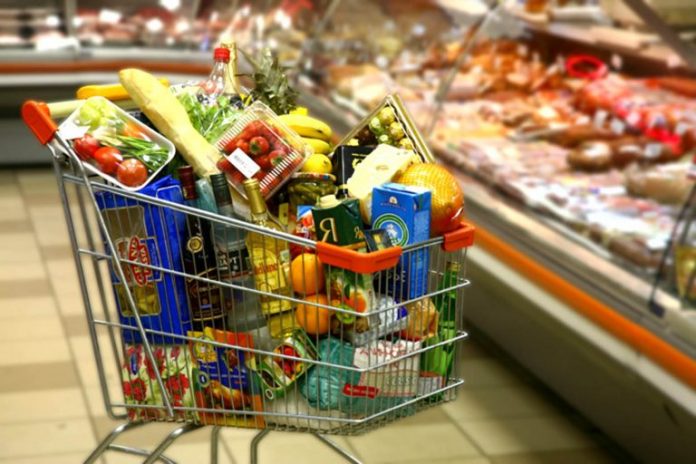
Sejko said that inflationary pressure has been broadening with the inflation rate increase mainly reflected surging prices of food, oil, and transportation.
“Nonetheless, the upswing in prices was present in a large variety of products, reflecting the transmission of supply-side shocks on the other items of the CPI basket as well,” he said.
The governor of the Bank of Albania explained that upward inflationary trend has reflected – to the greatest extent – the impact of the foreign demand shock. However, its spillover in the Albanian economy was favoured by a relatively strong demand for goods and services and the upward revision of inflationary expectations. The performance of inflation in the future will depend on the dynamics and interaction of these factors.
He noted that the external environment remains challenging.
“The conflict in Ukraine and the sanctions imposed on Russia have engendered a swift upsurge in prices in the global markets, which have started to reflect in slower economic growth rates. In parallel, the financial conditions have been tightening as central banks have increased the policy rates, and the uncertainty across economic and financial agents has remained high. The projections for the Euro area suggest that inflation will peak at the second half of the current year, but the balance of risks remains tilted on the upside,” Sejko said.
However – the central bank head went on saying – the Albanian economy has shown a sustainable performance in the first half of year.
“The volume of economic activity grew by 6% in the first quarter of 2022, and the indirect indicators suggest a further growth in the second quarter. This performance reflects the sound financial balance sheets of households and enterprises, the operational flexibility of the private sector, and the resilience of the Albanian financial system against shocks,“ he added.
According to him, economic growth was driven by the expansion in households‘consumption, private sector investments, and in the exports of goods and services. On the other hand, the upsurge in prices in international markets has increased the import bill, whereas the fiscal policy has been consolidating.
/j.p/u.sh/